Draining your RV water tank might sound like a chore, but it’s one of the most important steps to keep your RV running smoothly and smelling fresh. Whether you’re wrapping up a trip or preparing for winter storage, knowing how to properly drain your RV water tank can save you from costly repairs and unpleasant surprises.
In this guide, you’ll learn simple, step-by-step instructions to empty your tanks safely and efficiently. Stick with me, and you’ll master this essential RV maintenance skill in no time—making your next adventure even more enjoyable. Ready to get started? Let’s dive in!
Prepare For Draining
Preparing to drain your RV water tank is a crucial step. Proper preparation ensures safety and prevents mess. Taking time before draining saves trouble later. Follow these key actions to get ready efficiently.
Wear Protective Gear
Always wear gloves before handling the tank valves. Gloves protect your skin from harmful bacteria. Use old clothes or a protective apron. Safety glasses help prevent splashes in your eyes. Being prepared reduces health risks during draining.
Find A Dump Station
Locate a nearby dump station before you start. Dump stations are designed for safe waste disposal. Many campgrounds and rest areas offer these facilities. Avoid emptying tanks anywhere else to protect the environment. Plan your route to include a dump station.
Gather Necessary Equipment
Collect all tools needed for draining your tank. A sturdy sewer hose is essential for waste flow. Bring hose supports to keep connections secure. Carry a water hose for rinsing after draining. Have cleaning chemicals ready for tank maintenance.
Close All Tank Valves
Ensure all tank valves are fully closed before draining. This prevents accidental leaks during preparation. Double-check the black and gray tank valves. Keep the fresh water tank valve closed too. Proper valve control helps manage the draining process safely.
Connect Sewer Hose
Connecting the sewer hose is a key step in draining your RV water tank. It ensures safe and clean disposal of waste. Proper connection prevents leaks and spills that can cause mess and odor. Follow simple steps to attach and secure the hose before starting the draining process.
Using the right tools helps the process go smoothly. A good connection also protects the environment and public health. Keep everything tight and in place for a hassle-free experience.
Attach Hose To Rv Outlet
Start by locating the sewer outlet on your RV. This is usually near the bottom side or rear of the vehicle. Take your sewer hose and firmly attach it to the outlet. Make sure the connection is tight to avoid leaks. Turn the hose connector clockwise until it locks in place. Check for any gaps or loose fittings.
Secure Hose To Dump Station
Next, connect the other end of the sewer hose to the dump station inlet. Insert the hose fully into the station opening. Use any clamps or hooks provided to hold the hose steady. This stops the hose from slipping out during draining. A stable connection prevents spills and keeps the area clean. Always double-check the connection before opening the valves.
Use Elbow Connector And Hose Support
An elbow connector helps reduce stress on the hose at sharp angles. Attach this piece between the RV outlet and the hose. It bends the hose gently without kinks. Hose supports lift the hose off the ground. This improves flow and prevents damage. Place supports under the hose along its length. These simple tools make draining easier and safer.
Drain Black Water Tank
Draining the black water tank in your RV is essential for sanitation and comfort. This tank holds all the sewage and waste from your toilet. Proper draining helps avoid clogs and odors. Follow the steps carefully to keep your RV system working well.
Open Black Tank Valve Slowly
Locate the black tank valve near your RV’s waste outlet. Wear gloves for safety. Open the valve slowly to prevent splashes. A slow opening lets waste flow out smoothly. This step helps avoid sudden pressure or mess.
Allow Complete Drainage
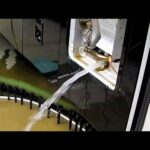
Keep the valve open until the tank is fully empty. Wait for the flow to stop before closing the valve. Use a sewer hose connected securely to guide waste to the dump station. Full drainage prevents buildup inside the tank. After draining, flush the tank with clean water if possible.

Credit: www.youtube.com
Flush Black Tank
Flushing the black tank is a key step in maintaining your RV’s waste system. It helps remove solid waste and prevents clogs and bad odors. Regular flushing keeps the tank clean and extends its lifespan.
Follow these simple steps to flush your black tank properly after draining it. This ensures a thorough clean and prepares the tank for the next use.
Use Built-in Flush System
Many RVs have a built-in black tank flush system. Connect a clean water hose to the flush inlet. Turn on the water to start flushing the tank. This system sprays water inside to break up waste.
If your RV does not have this feature, use a portable tank flush kit. It works similarly by spraying water inside the tank to clean it.
Run Water Until Clear
Keep running the water through the flush system until it runs clear. Clear water means most waste and residue have been washed out. This step helps avoid clogs and keeps your tank odor-free.
Be patient. It can take several minutes for the water to become clear. Rushing may leave waste behind.
Close Black Tank Valve
After flushing, close the black tank valve tightly. This prevents leaks and keeps the tank sealed. Make sure the valve is fully closed before you disconnect hoses or move your RV.
Check the valve periodically for wear or damage. A good seal is essential for proper tank function and hygiene.
Drain Gray Water Tank
Draining the gray water tank is an important step in RV maintenance. This tank holds used water from sinks and showers. Emptying it regularly helps prevent odors and keeps your RV fresh.
Open Gray Tank Valve
Locate the gray tank valve on your RV. It usually has a lever or handle. Pull the valve fully open to release the gray water. Make sure your sewer hose is securely attached and pointed to the dump station.
Rinse Sewer Hose With Gray Water
Use the gray water to rinse the sewer hose. Let the water flow through the hose to clear any leftover debris. This step helps keep the hose clean for the next use.
Close Gray Tank Valve
After the tank is empty and the hose is rinsed, close the gray tank valve. Secure the valve to prevent leaks. Disconnect the sewer hose carefully and store it properly.
Disconnect And Clean Hose
After draining your RV water tank, disconnecting and cleaning the sewer hose is crucial. This step prevents odors and keeps your equipment in good condition. Proper care of your hose ensures safe and hygienic use for future trips.
Remove Sewer Hose Safely
Wear gloves to protect your hands from germs. Unscrew or detach the hose carefully. Avoid spilling any waste by holding the hose steady. Place the hose away from your living area immediately.
Rinse Hose With Non-potable Water
Use non-potable water to rinse inside the hose. Connect a water source and flush the hose thoroughly. This removes waste residue and reduces bad smells. Let the water flow until it runs clear.
Store Hose Properly
Dry the hose completely to prevent mold growth. Coil the hose neatly without kinks or twists. Store it in a sealed container or bag. Keep the hose in a cool, dry place away from sunlight.
Add Tank Treatment
Adding tank treatment to your RV water tanks helps control odors and breaks down waste. It keeps the tanks clean and prevents clogs. Proper treatment extends the life of your RV’s plumbing system.
There are simple ways to treat your tanks effectively. Using chemical packs and fresh water helps maintain a healthy tank environment. These steps are easy and save you time during maintenance.
Use Chemical Packs
Chemical packs are designed to break down waste in the black tank. They contain enzymes or chemicals that reduce odors. Simply drop the pack into the tank after draining it. Follow the instructions on the package for best results.
These packs help keep the tank clean and reduce buildup. They also make the next drain process easier. Choose products that are safe for your RV system and the environment.
Add Fresh Water To Black Tank
After adding chemical treatment, pour fresh water into the black tank. This dilutes waste and helps spread the treatment evenly. It also reduces strong smells.
Use a hose or bucket to add fresh water slowly. Avoid overfilling to prevent spills. This step prepares the tank for the next use and keeps it fresh longer.
Tips For Maintenance
Maintaining your RV water tank is essential for smooth operation and hygiene. Proper care prevents damage and extends the tank’s life. Follow these simple tips to keep your RV water system in top shape.
Regular Draining Schedule
Set a consistent schedule to drain your water tank. Draining often stops buildup and odors. Do this before long storage periods or after heavy use. A regular routine helps avoid surprises on the road.
Avoid Tank Overfilling
Fill your tank only to the recommended level. Overfilling causes leaks and damage to valves. It also puts extra pressure on the system. Monitor water levels carefully while filling to protect your tank.
Inspect Valves And Hoses
Check valves and hoses for cracks or leaks regularly. Replace worn parts immediately to prevent failures. Clean connections ensure smooth drainage and prevent clogs. Keeping these parts in good condition saves time and money.
Frequently Asked Questions
How Do I Drain The Water Out Of My Rv?
Locate the RV’s black water tank valve near the tank area. Attach a sewer hose securely to the outlet. Open the black tank valve fully to drain waste completely. After draining, flush the tank with clean water to remove residue and prevent buildup.
Close valves when finished.
How To Properly Drain Rv Tanks?
To properly drain RV tanks, attach a sewer hose to the dump station and RV outlet. Open the black tank valve fully first, then drain the gray tank to rinse the hose. Use the black tank flush if available. Close valves, disconnect, and add tank treatment.
How Do I Empty My Rv Tank Without A Dump Station?
Empty your RV tank without a dump station by using a portable waste tank. Transport waste to a proper disposal site safely. Always wear gloves and follow local regulations to avoid contamination.
How Long Can Fresh Water Sit In An Rv Tank?
Fresh water can sit in an RV tank up to 5 days safely. Beyond this, bacteria may grow, affecting water quality. Regularly sanitize and refill the tank to ensure clean water during your trips.
Conclusion
Draining your RV water tank keeps your system clean and working well. Always drain the black tank first, then the gray tank for a proper flush. Use gloves and connect your hose securely to avoid spills. Flush the tanks with clean water to prevent buildup and odors.
Regular maintenance extends your RV’s life and keeps your travels worry-free. Follow these simple steps each time you drain, and enjoy a smooth camping experience.