
Have you ever wondered if it’s okay to park right in front of a fire hydrant? It might seem like a small thing, but parking there can cause big problems for you—and for others.
Imagine needing to park quickly, only to find a ticket or even a tow waiting for you. Plus, blocking a fire hydrant could slow down firefighters in an emergency, putting lives and property at risk. Keep reading to find out the real rules, why they matter, and how to avoid costly mistakes every time you park.
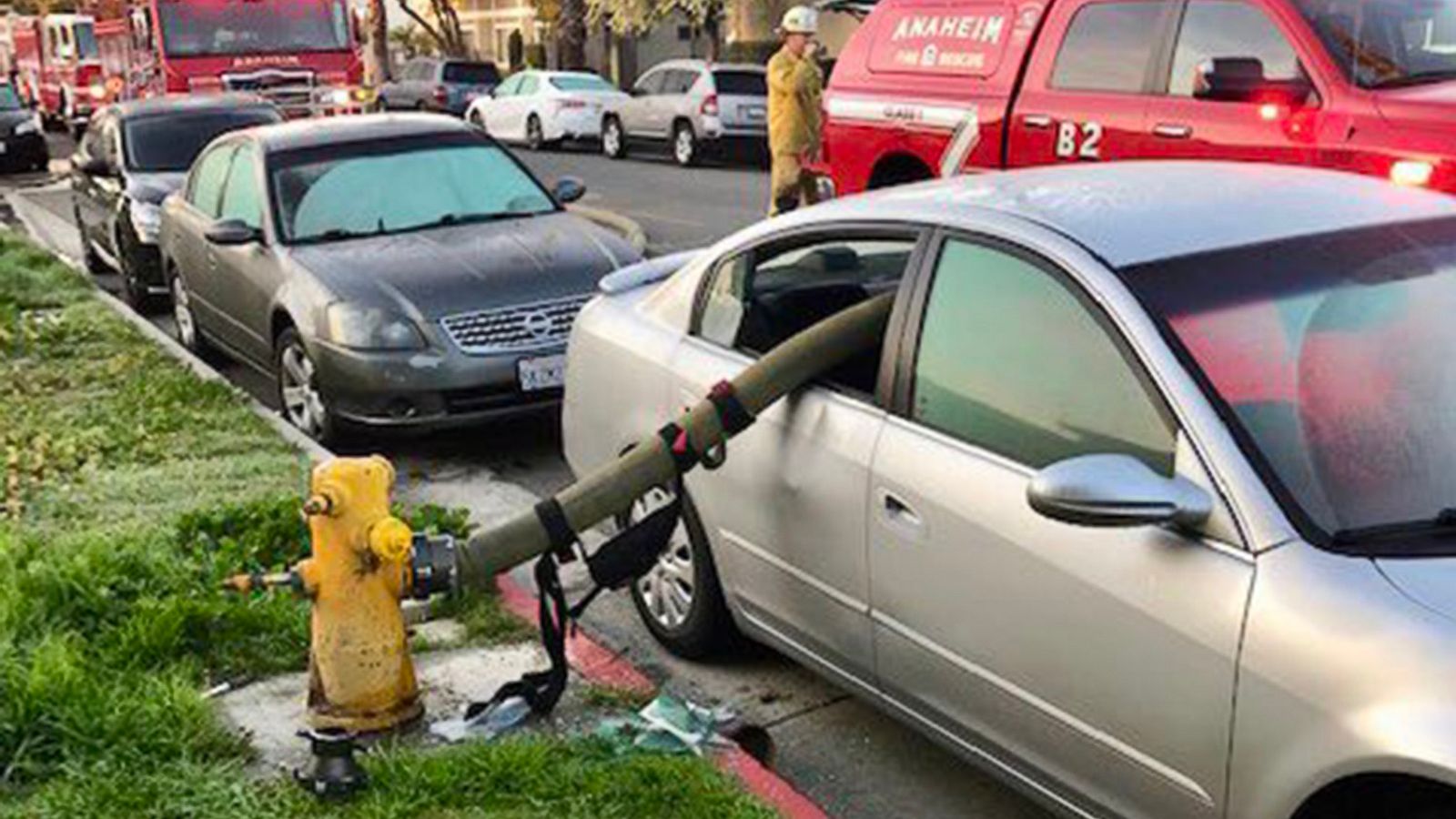
Credit: abcnews.go.com
Fire Hydrant Parking Laws
Fire hydrant parking laws protect public safety. Parking near a fire hydrant blocks emergency access. Firefighters need clear access to hydrants during fires. Laws vary but all aim to keep hydrants clear.
General Parking Restrictions
Parking in front of a fire hydrant is illegal in most places. The distance you must keep varies by location. Usually, you cannot park within 10 to 15 feet of a hydrant. Signs or painted curbs often mark these zones. Violating these rules leads to fines or towing. These laws help emergency crews reach water quickly.
Local Variations In Rules
Some cities have stricter rules than others. In some areas, parking near a hydrant is banned within 20 feet. Others have specific hours when parking is allowed or not. Always check local traffic signs for exact rules. Different states or countries set their own distances and penalties. Local rules reflect community safety needs and road layouts.
Safety Reasons For No Parking
Parking in front of a fire hydrant is not just about breaking a rule. It affects safety for everyone. Fire hydrants must be clear at all times. This allows firefighters to act quickly and save lives and property. Blocking a hydrant can cause delays that may lead to serious harm.
Emergency Access Importance
Fire trucks need fast access to hydrants during emergencies. Every second counts. A car parked in front of a hydrant can slow down the response. Firefighters must connect hoses quickly to stop fires. Clear access helps them do their job without obstacles.
Firefighter Operations
Firefighters carry heavy equipment and need space to work. Hydrants provide water, but only if reachable. A blocked hydrant forces firefighters to find another water source. This wastes valuable time and effort. Keeping the area clear supports smooth and safe operations.
Penalties For Illegal Parking
Parking in front of a fire hydrant is not just unsafe. It breaks the law and can cause serious trouble. Firefighters need clear access to hydrants in emergencies. Blocking them delays help and risks lives. Penalties for illegal parking are strict to stop this.
Fines And Tickets
Parking in front of a fire hydrant usually leads to a fine. The amount changes by city but can be high. Some places charge over $200 for this offense. Police often leave tickets on the windshield. These tickets must be paid quickly to avoid extra fees.
Getting a ticket also adds points to your driving record in many areas. Points can raise insurance costs and risk license suspension. Ignoring tickets can cause more fines or legal trouble. Paying the fine is the fastest way to resolve the issue.
Vehicle Towing Risks
Authorities may tow your vehicle if parked illegally by a hydrant. Towing happens to keep the street clear for emergencies. Retrieving a towed car costs extra money and time. You must pay towing and storage fees to get it back.
Towing can also damage your vehicle. Some drivers face broken locks or scratches during towing. Besides fines, towing makes illegal parking costly and inconvenient. Avoid parking near hydrants to skip these risks.
Credit: www.reddit.com
How To Identify Fire Hydrant Zones
Knowing how to spot fire hydrant zones is key to avoiding parking tickets and ensuring safety. These zones help keep access clear for firefighters in emergencies. Recognizing these areas is simple with a few tips. Understanding signs and distance rules helps you park legally and safely.
Signage And Markings
Look for signs near the curb that mention fire hydrants. These signs often say “No Parking Fire Hydrant” or use symbols. Curbs near hydrants may be painted red or yellow. These colors warn drivers not to park there. Street markings can also show fire hydrant zones clearly.
Distance Requirements
Rules usually require parking at least 15 feet away from a fire hydrant. This distance keeps the hydrant reachable for firefighters. Some places use different distances, but 15 feet is common. Always check local laws to be sure. Parking too close can lead to fines or towing.
Exceptions And Special Cases
Parking rules near fire hydrants are strict for safety reasons. Still, some special cases allow exceptions. These exceptions help certain people or situations while keeping access clear for emergencies.
Temporary Parking Permissions
Sometimes, short-term parking near a hydrant is allowed. This usually happens during loading or unloading. You may need a special permit from local authorities. The permit states the allowed time and conditions. Without a permit, parking near a hydrant is illegal.
Construction workers or delivery drivers often get these permits. They must park as close as possible without blocking fire access. This helps keep fire safety intact while allowing work to continue.
Disabled Parking Near Hydrants
Disabled drivers may face challenges finding parking spots. Some areas allow disabled parking close to hydrants. This is only with special permits and signs. The space must still allow fire trucks to access the hydrant.
These spots have clear markings and rules. Drivers must follow all local laws to avoid fines. The goal is to balance safety and accessibility for everyone.
Tips For Safe Parking Near Hydrants
Parking near fire hydrants needs care and attention. Knowing the rules helps avoid fines and keeps streets safe. Follow simple tips to park safely and legally near hydrants.
Checking Local Laws
Rules about parking near fire hydrants vary by place. Some areas require parking at least 10 feet away. Others might have different distances or times when parking is not allowed. Check your city or town’s official website for exact rules. Knowing the law helps you avoid tickets and keeps emergency access open.
Using Parking Apps
Parking apps can guide you to safe parking spots. Many apps show no-parking zones and fire hydrant locations. Use them to find legal spaces quickly. Some apps also alert you if your car is parked near a hydrant. This reduces the risk of fines and helps you follow rules easily.

Credit: www.pressenterprise.com
Frequently Asked Questions
Can You Legally Park In Front Of A Fire Hydrant?
No, parking in front of a fire hydrant is illegal. It blocks emergency access and can result in fines or towing. Always park at least 15 feet away to ensure safety and compliance with local laws.
Why Is Parking Near Fire Hydrants Prohibited?
Parking near fire hydrants blocks firefighters from accessing water quickly. This delay can hinder emergency response and endanger lives and property. Laws protect these areas to ensure immediate fire safety access.
What Are The Penalties For Parking By A Fire Hydrant?
Penalties include fines, towing, and possible points on your driving record. The exact consequences vary by location but always involve financial and legal repercussions. Avoid parking near hydrants to prevent these costly penalties.
How Far Must You Park From A Fire Hydrant?
You must park at least 15 feet away from a fire hydrant. This distance ensures firefighters can connect hoses quickly during emergencies. Check local regulations as requirements may slightly vary by area.
Conclusion
Parking in front of a fire hydrant is never safe or legal. Fire trucks need clear access in emergencies. Blocking a hydrant can cause delays and danger. Fines and towing often follow illegal parking there. Always check signs and look for hydrants nearby.
Respecting these rules helps keep everyone safe. Remember, a few extra steps can prevent big problems. Stay alert and park responsibly every time.