Skip to content
Are your camper running lights not working when you hit the road? This issue can be frustrating and even dangerous, especially when driving at night or in low visibility.
You might be wondering why your brake lights and turn signals still work, but your running lights don’t. Don’t worry—this is a common problem, and most of the time, the fix is simpler than you think. You’ll discover the main reasons behind camper running lights failure and step-by-step troubleshooting tips to get your lights shining bright again.
Keep reading to save time, avoid costly repairs, and ensure your camper stays safe on every trip.
Common Causes
Camper running lights not working often result from simple electrical issues. Identifying the common causes helps fix the problem fast. This section covers the main reasons why these lights fail to operate properly. Understanding these causes saves time and avoids unnecessary replacements.
Bad Grounds
A bad ground connection stops the electrical circuit from completing. This issue often causes flickering or no light at all. Check the ground wire for tight, clean contact with bare metal on the camper frame. Rust, paint, or dirt can block the connection and must be removed.
Corroded Connectors
Connectors exposed to weather develop corrosion over time. Corrosion blocks electrical flow and causes running lights to fail. Unplug the trailer and inspect the pins for rust or green buildup. Clean the connectors with a contact cleaner and apply dielectric grease to protect them.
Blown Fuses
Fuses protect the electrical system from damage. A blown fuse interrupts power to the running lights. Check the tow vehicle and camper fuse boxes for any blown fuses. Replace blown fuses with the exact same rating to restore light function.
Damaged Wiring
Wiring can get damaged by road debris, animals, or age. Cuts, cracks, or worn insulation cause shorts or open circuits. Inspect the entire wiring harness carefully. Repair or replace any damaged sections to ensure a solid electrical path to the lights.
Led Compatibility Issues
Some campers use LED running lights which draw less power than bulbs. Tow vehicles with lamp-out sensor systems may not detect LEDs correctly. This results in flickering or no light. Installing a lamp-out sensor bypass module solves this problem and ensures proper LED operation.
Quick Fuse Checks
Quick fuse checks can save time when camper running lights stop working. Fuses protect electrical circuits by breaking the connection if current is too high. A blown fuse can cause running lights to fail without affecting other systems. Checking fuses is a simple first step in troubleshooting.
Locate Trailer Fuses
Find your tow vehicle’s fuse box using the owner’s manual. The fuse box is often under the dashboard or in the engine compartment. Look for fuses labeled “trailer,” “tow package,” or “tail lights.” Some vehicles have a separate fuse box for trailer circuits. Make sure to check all relevant fuses.
Replace Blown Fuses
Remove the suspect fuse using a fuse puller or needle-nose pliers. Inspect the metal strip inside the fuse. If the strip is broken or burnt, the fuse is blown. Replace it with a new fuse of the same amperage rating. Never use a fuse with a higher rating, as it risks damage. After replacing, test the running lights again to see if the problem is fixed.
Connection Cleaning
Cleaning the connections plays a crucial role in fixing camper running lights that do not work. Dirt, corrosion, and moisture often block the electrical flow. Keeping the pins and plugs clean helps maintain a strong connection. This prevents flickering or completely dead lights. Follow these simple steps to clean your camper’s running light connections and improve their performance.
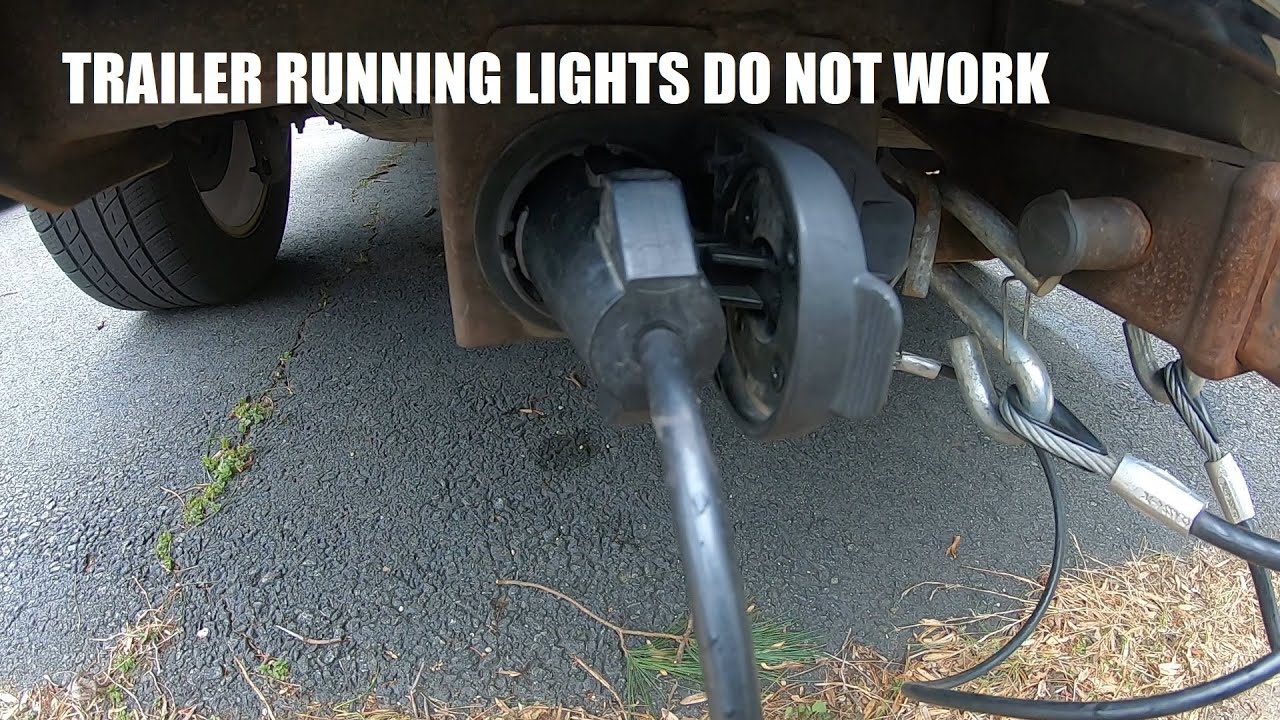
Unplug And Inspect Pins
Start by unplugging the trailer connector from the tow vehicle. Look carefully at the metal pins inside the plug. Check for dirt, rust, or any damage. Bent or broken pins can stop electricity from flowing. Straighten bent pins gently with pliers. Remove any debris using a small brush or cloth. Clean pins ensure a good electrical connection.
Remove Corrosion
Corrosion appears as white or green powder on the metal parts. It blocks electrical current and causes lights to fail. Use a contact cleaner spray or fine sandpaper to remove corrosion. Spray cleaner on both the pins and sockets. Rub gently with sandpaper or a wire brush to clear away rust. After cleaning, wipe everything dry to avoid moisture build-up.
Apply Dielectric Grease
Dielectric grease protects connections from moisture and corrosion. After cleaning, put a small amount of grease on each pin. It seals the metal and stops rust from forming again. Grease also helps the plug slide in and out easily. Use grease sparingly to avoid attracting dirt. This simple step extends the life of your camper running lights.
Credit: www.youtube.com
Ground Wire Inspection
Ground wire issues often cause camper running lights to fail. The ground wire completes the electrical circuit by connecting lights to the trailer frame. A bad ground disrupts current flow and stops lights from working. Checking the ground wire is a key step when troubleshooting running light problems. Focus on the trailer frame connection and each light’s grounding point for reliable repairs.
Check Trailer Frame Connection
Inspect the white ground wire at the trailer frame. It must connect to clean, bare metal. Rust, paint, or dirt can block the ground path. Scrape the frame area until shiny metal shows. Tighten the ground wire securely to prevent movement. A loose or corroded connection often causes flickering or no lights. Confirm the ground wire is not broken or frayed along its length.
Ensure Each Light Has Ground
Each running light needs its own solid ground connection. Sometimes, a single ground wire serves multiple lights, which can cause problems. Check that each light’s ground wire attaches firmly to the light housing or trailer frame. Clean any corrosion or dirt around the connection. Use a multimeter to test continuity between the light ground and trailer frame. This step ensures no open circuits cause the light failure.
Wiring And Light Testing
Wiring and light testing are key steps to fix camper running lights not working. Faulty wiring or bad bulbs often cause the problem. Checking these parts helps find the exact issue fast. A careful inspection can save time and money. Follow simple testing methods to spot wiring or bulb faults. This ensures your camper lights work safely on the road.
Inspect Wiring For Damage
Look closely at all wiring connected to the running lights. Check for cuts, cracks, or worn spots on the wires. Damaged wiring can stop electricity flow to the lights. Also, check for loose or corroded connectors. Corrosion blocks power and causes flickering or no light. Fix or replace damaged wires and clean connectors with contact cleaner. Secure all connections tightly to avoid future problems.
Test Individual Bulbs
Remove each running light bulb and inspect it carefully. Look for broken filaments or dark spots inside the bulb. Replace any bulbs that appear damaged or burnt out. Use a multimeter or bulb tester to check if bulbs still work. Testing bulbs one by one helps find which light fails to operate. Installing new bulbs often restores your camper’s running lights quickly.
Use Jumper Wire For Testing
Use a jumper wire to test the light circuit directly. Connect the jumper wire from a good power source to the light’s hot wire. Ground the light frame to complete the circuit. If the light turns on, wiring or connectors before this point may be faulty. If not, the bulb or light assembly could be bad. Jumper wire testing isolates problems and guides your repair efforts effectively.
Credit: www.etrailer.com
Vehicle Connector Testing
Vehicle connector testing helps find electrical issues causing camper running lights to fail. It checks if the tow vehicle sends power correctly through the connector. This step narrows down the problem between the tow vehicle and trailer wiring. Testing the connector saves time and money by avoiding unnecessary parts replacement.
Use Trailer Light Tester
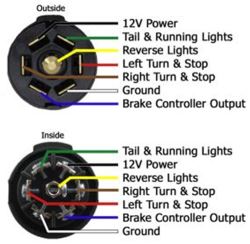
A trailer light tester plugs into the vehicle’s connector to check power flow. It simulates the trailer lights by lighting up bulbs or LEDs on the tester. This shows which circuits work and which do not. It quickly identifies missing signals for running lights, brake lights, or turn signals. Using a tester helps confirm if the tow vehicle connector is the problem.
Check Tow Vehicle Power
Power must reach the connector for the camper lights to work. Use a multimeter or test light to check voltage at each pin in the connector. Test while the vehicle lights are on to ensure power flows. Inspect the vehicle’s fuse box for blown fuses related to trailer lights. A loose or corroded connection inside the vehicle wiring can also block power. Fix these issues to restore running lights function.
Advanced Troubleshooting
Advanced troubleshooting helps solve camper running light problems beyond basic fixes. Some issues hide in sensors or LED systems. These require careful checks and specific tools. Understanding these can save time and money on repairs. Focus on key components to find hidden faults quickly.
Lamp-out Sensor Bypass Module
Many newer vehicles use lamp-out sensors. These sensors detect if a bulb is burnt out. LED lights use less power, sometimes confusing the sensor. The sensor may think a light is out even when it works. A lamp-out sensor bypass module fixes this issue.
This module tricks the vehicle into thinking all bulbs work. It bypasses the sensor’s low power alert. Install it between the trailer wiring and the vehicle connector. This solution stops false warnings and restores running light function.
Handling Led Light Issues
LED running lights have different wiring needs than bulbs. They use less power and need proper voltage. Check if your vehicle supports LED lights. Some require special adapters or resistors to work correctly.
Inspect LED connections for corrosion or loose wires. LED lights may fail if wiring is damaged. Test each LED light separately with a 12V power source. Replace any that do not light up.
LED lights sometimes flicker if the ground is poor. Ensure the trailer ground wire is firmly attached to clean metal. Use dielectric grease on connectors to stop moisture and corrosion. Proper wiring and grounding keep LED running lights bright and reliable.

Credit: www.escapeforum.org
Frequently Asked Questions
What Would Cause Trailer Running Lights Not To Work?
Trailer running lights may fail due to blown fuses, bad grounds, corroded connectors, damaged wiring, or faulty bulbs. Check fuses first, clean and inspect connections, ensure proper grounding, and test wiring on both the tow vehicle and trailer to identify the issue.
Why Are My Running Lights Not Working But Brake Lights Do?
Running lights often fail due to blown fuses, bad grounds, corroded connectors, or damaged wiring. Check fuses, clean connections, and inspect wiring to fix the issue. Brake lights use a separate circuit, so they can still work while running lights don’t.
How Do I Know If My Rv Fuse Is Blown?
Check the RV fuse by inspecting it visually for a broken wire or discoloration. Use a multimeter to test continuity. Replace any fuse that shows no continuity or visible damage.
Can You Drive A Trailer Without Running Lights?
Driving a trailer without running lights is illegal and unsafe. Running lights improve visibility and prevent accidents. Always ensure trailer lights work properly before driving.
Conclusion
Camper running lights not working can cause safety risks on the road. Start by checking fuses and cleaning all connections carefully. Make sure the trailer ground wire is secure and free from rust. Test the wiring and bulbs to find any faults quickly.
Small issues like dirty plugs or loose wires often cause problems. Staying patient and following simple steps saves time and money. Keep your camper lights working well to drive safely and avoid tickets. Regular maintenance helps prevent future failures and keeps your trips worry-free.