Skip to content
If you’re planning to change your brake fluid, one question probably stands out: how much brake fluid do you actually need? It’s a simple detail, but getting it right is crucial for your safety and the smooth operation of your car’s braking system.
Using too little can leave your brakes vulnerable, while buying too much might just be a waste of money. You’ll discover the exact amount of brake fluid needed for a change, key factors that can affect the quantity, and handy tips to make the process easier and more effective.
Keep reading to make sure your brake fluid change goes smoothly and keeps you safe on the road.
You May Like

- Mixes well with conventional fluids
- Low-moisture formula provides excellent vapor lock protection
- Ideal for hydraulic and disc brakes

- Provides an extra margin of safety in extreme braking conditions (packaging…
- Mix of polyglycol ethers ensures hot brake-system operation will not create…
- Excellent for ABS, disc and drum brake systems
- Delivers braking power when needed by avoiding a spongy pedal
- Ideal for hydraulic and disc brakes
- Mixes well with conventional fluids
- Low-moisture formula provides excellent vapor lock protection

- High quality blend of polyethylene glycol ethers and additives
- Compatible with all brake system rubber components and other brake fluids
- Prevents seal hardening or softening
- Protects against rust and corrosion

- Exceeds DOT 3 regulations: Formulated to meet or surpass DOT 3…
- Premium high boiling point: Helps prevent vapor lock and brake fade under…
- Full synthetic formula: Provides superior resistance to moisture absorption…
- Superior protection and performance: Designed to deliver reliable braking…
Brake Fluid Basics
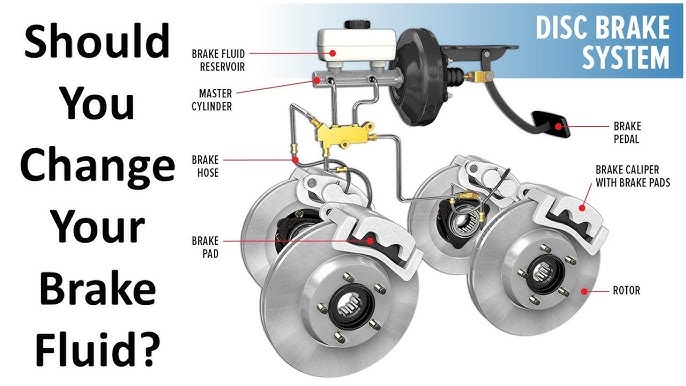
Brake fluid is a vital part of your vehicle’s braking system. It transfers the force from your brake pedal to the brake pads. This force makes your car stop safely. Understanding brake fluid helps you maintain your vehicle better.
Brake fluid needs regular changing to keep brakes working well. Old fluid can cause brake failure. Knowing the types and why it matters can help you choose the right fluid.
Types Of Brake Fluid
There are three common types of brake fluid: DOT 3, DOT 4, and DOT 5.1. Each type has a different boiling point and chemical makeup. DOT 3 and DOT 4 are glycol-based fluids. They absorb moisture over time, which lowers their boiling point.
DOT 5.1 is also glycol-based but has a higher boiling point for better performance. DOT 5 is silicone-based and does not absorb water. It is not compatible with other types and is mostly used in special vehicles.
Always check your car manual to pick the right brake fluid type. Using the wrong type can damage your brake system.
Why Brake Fluid Matters
Brake fluid must resist heat and moisture to work well. Heat builds up when you brake hard or drive downhill. Good brake fluid keeps its boiling point high to avoid vapor lock, which causes brake failure.
Moisture in brake fluid lowers its boiling point and can cause corrosion inside brake parts. Corroded parts may lead to leaks and brake failure. Regularly changing brake fluid keeps it fresh and effective.
Proper brake fluid helps maintain brake pressure and responsiveness. It ensures your brakes react quickly and safely. Ignoring brake fluid can risk your safety on the road.
Credit: nubrakes.com
How Much Brake Fluid To Buy
Knowing how much brake fluid to buy is key for a smooth brake fluid change. Buying the right amount prevents waste and ensures you complete the job without interruptions. Brake fluid quantity varies by vehicle and the type of service you perform. Understanding typical fluid needs and the factors that affect them helps you prepare better.
Typical Fluid Quantities
Most cars need about 500 ml to 1 liter of brake fluid for a full flush. A standard brake fluid bottle usually contains 500 ml or 1 liter. For a simple top-up, much less fluid is needed, often under 250 ml. Some trucks and SUVs may require more fluid due to larger brake systems. Always check your vehicle’s manual for the exact amount recommended.
Factors Affecting Fluid Amount
The type of brake system changes fluid needs. Vehicles with ABS or electronic stability control need more fluid. These systems have extra valves and lines to fill and bleed. Manual transmission cars with hydraulic clutches use brake fluid in the clutch system. This raises the total fluid amount needed. Older cars may need less fluid if the system is smaller. Fluid contamination or leaks can increase how much fluid you use during a change.
Vehicle-specific Considerations
Different vehicles need different amounts of brake fluid for a change. Knowing your vehicle’s specific needs helps you buy the right amount. This avoids waste and ensures a proper brake fluid flush. Some cars have extra parts or systems that use more fluid than usual.
Understanding these vehicle-specific details saves time and money. It also keeps your brake system working safely and smoothly. Below are key points to consider for various vehicle types.
Abs Systems And Fluid Needs
Cars with ABS (Anti-lock Braking System) require more brake fluid. The ABS has extra valves and lines that hold fluid. Flushing these parts means you need almost double the fluid. Do not underestimate the amount needed for ABS systems. It is best to have extra brake fluid on hand.
Manual Transmission Vehicles
Manual cars often share brake fluid with the clutch system. When bleeding brakes, you may also need fluid for the clutch line. This increases the total brake fluid needed. Check if your vehicle uses the same reservoir for brakes and clutch. Buy enough fluid to cover both systems.
European Car Requirements
Many European cars have larger brake lines or calipers. These parts hold more brake fluid than standard models. This means you will need more fluid for a full flush. Some European vehicles may also use specific types of brake fluid. Always consult your owner’s manual for exact fluid type and amount.
Brake Fluid Change Vs Flush
Understanding the difference between a brake fluid change and a flush is important for maintaining your vehicle’s braking system. A brake fluid change usually means draining some old fluid and adding new fluid to top off the system. A flush, on the other hand, replaces all the brake fluid inside the system. This process removes old, contaminated fluid and air bubbles, improving brake performance and safety.
Amount Needed For Topping Off
Topping off brake fluid requires only a small amount. Usually, you need less than half a pint (about 250 ml). This amount fills the reservoir to the correct level after checking for leaks or minor fluid loss. Keep in mind that topping off does not remove old fluid, so it is only a temporary fix.
How Much For A Complete Flush
A complete brake fluid flush needs more fluid. Most cars require about 1 to 1.5 liters (1 to 1.5 quarts) for a full flush. Some vehicles with ABS or larger brake systems may need up to 2 liters. It is best to buy extra fluid to avoid running out during the process. Using fresh brake fluid ensures the system works well and prevents corrosion inside the brake lines.
Step-by-step Fluid Replacement
Replacing brake fluid is an important task to keep your braking system working well. Follow a clear step-by-step fluid replacement process to avoid mistakes. This guide breaks down the key steps to help you complete the job safely and correctly.
Checking Fluid Levels
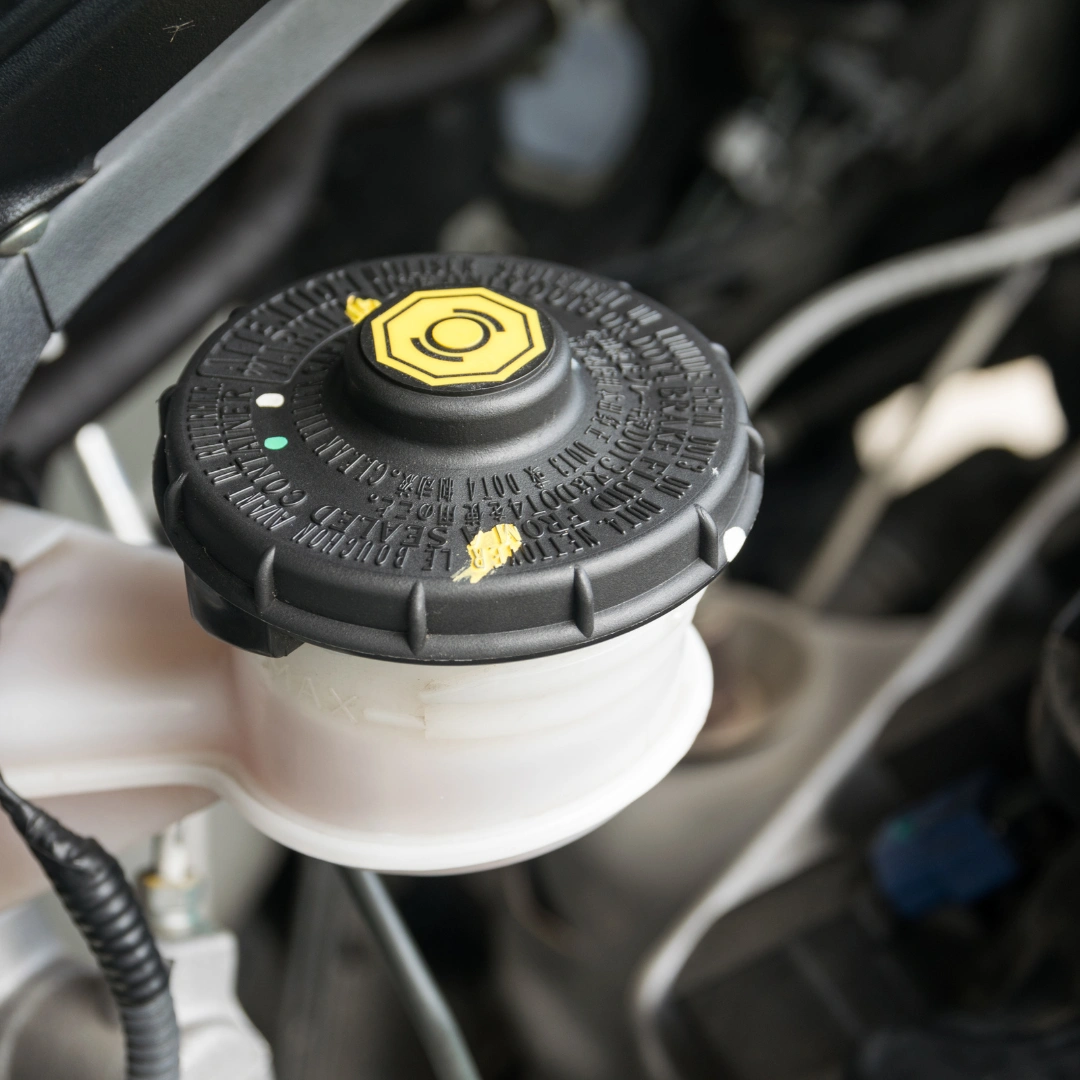
Start by locating the brake fluid reservoir under the hood. Check the fluid level against the marks on the container. If the level is low, add the correct brake fluid type. Do not overfill. Keep the cap closed tightly to avoid contamination.
Bleeding The Brake Lines
Bleeding removes old fluid and air bubbles from the brake lines. Use a wrench to open the bleed valve on each wheel, starting from the farthest. Have an assistant press the brake pedal slowly. Close the valve before the pedal is released. Repeat until clean fluid flows and no air appears.
Handling Leftover Fluid
Brake fluid absorbs moisture quickly, which can harm your brake system. Never reuse leftover fluid. Store unused fluid in a sealed container away from heat and moisture. Dispose of old fluid properly at a local recycling center or auto shop.
Credit: www.youtube.com
Common Mistakes To Avoid
Changing brake fluid is critical for safe braking. Avoid mistakes that waste fluid or harm your system. Using the right amount and type of brake fluid ensures your brakes work well. Here are some common mistakes to avoid during a brake fluid change.
Reusing Old Fluid
Old brake fluid absorbs moisture over time. Moisture reduces fluid performance and damages brake parts. Using leftover fluid risks contamination. Always use fresh brake fluid for each change. Never pour old fluid back into the system.
Running Out Mid-job
Brake fluid must fill the entire brake system. Running out during the job lets air enter the lines. Air causes spongy brakes and poor stopping power. Buy extra fluid before starting the change. Having enough fluid prevents delays and brake problems.
Using Incorrect Fluid Types
Brake fluid comes in different types like DOT 3, DOT 4, and DOT 5. Each type has unique properties and uses. Using the wrong fluid can damage seals and brake parts. Check your vehicle manual for the correct type. Always choose the fluid that matches your car’s needs.
Cost And Where To Buy
Knowing the cost and where to buy brake fluid helps plan your brake fluid change. Prices vary based on brand, type, and quantity. Finding the right place to buy ensures you get quality fluid for your vehicle. This section covers brake fluid prices and tips for smart purchasing.
Brake Fluid Prices
Brake fluid usually sells in small bottles or quarts. Prices range from $5 to $15 per bottle. Synthetic or high-performance fluids cost more. DOT 3 and DOT 4 are common types with similar prices. DOT 5 is pricier and less common. One quart is enough for most brake fluid changes. Buying larger sizes can save money if you do multiple changes.
Buying Tips And Recommendations
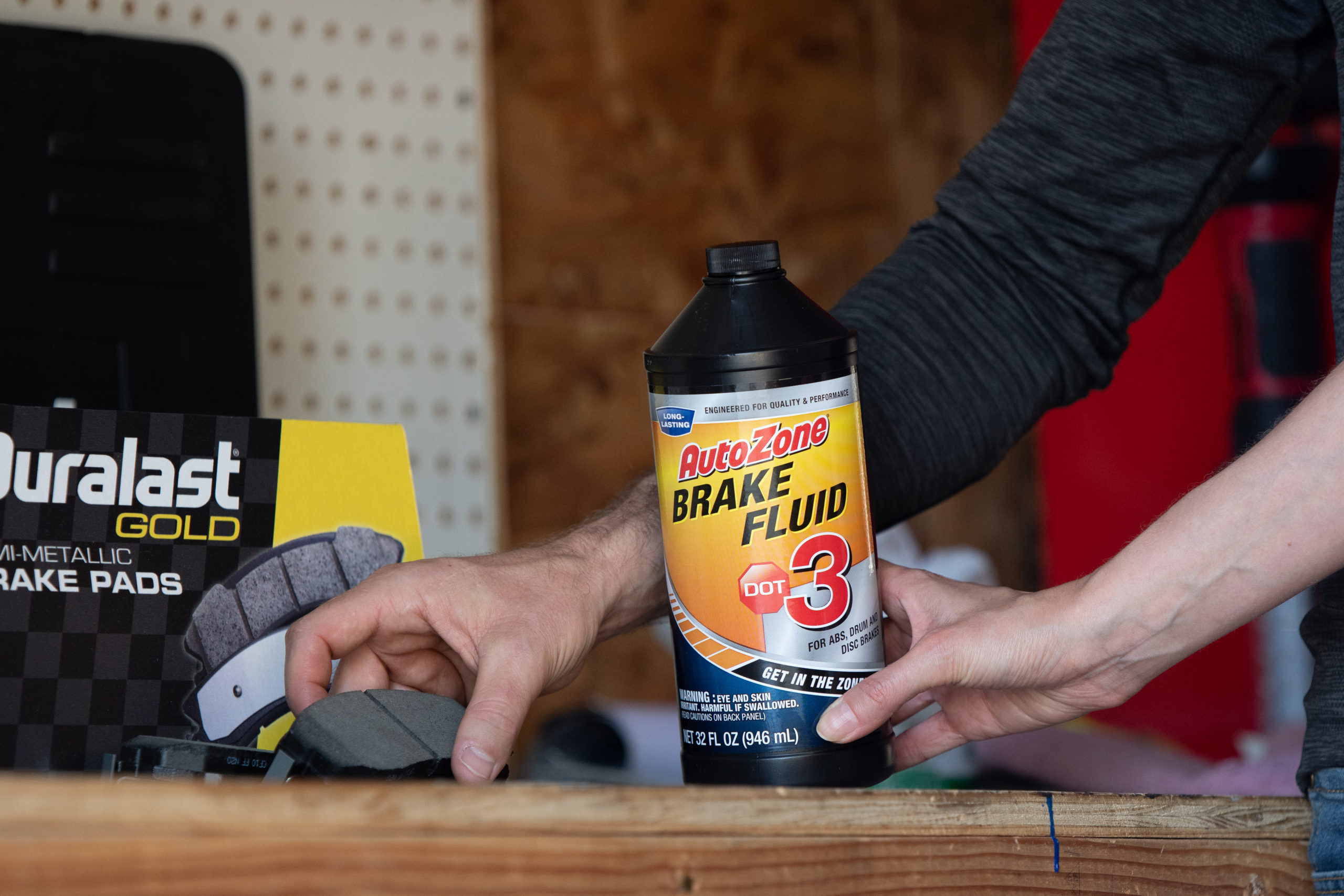
Buy brake fluid from auto parts stores or trusted online shops. Check the fluid type recommended by your car manufacturer. Always buy sealed bottles to avoid contamination. Avoid very cheap or unknown brands. Read reviews to confirm fluid quality. Store opened fluid properly and use it quickly. Avoid reusing old brake fluid. Keep extra fluid on hand for bleeding or topping up. Proper fluid protects your braking system and ensures safety.
Faqs On Brake Fluid Quantity
Understanding the right amount of brake fluid needed for a change helps avoid common mistakes. Many drivers have questions about brake fluid quantity and timing. Clear answers can guide proper maintenance and ensure safety on the road. This section addresses the most frequent questions about brake fluid volume and when to replace it.
What If I Use Too Little Fluid?
Using too little brake fluid can cause air to enter the brake lines. Air reduces brake pressure, making brakes feel soft or spongy. This condition lowers braking performance and can be dangerous. It may also trigger warning lights on your dashboard. Always ensure enough fluid is added to fully fill the system during a change.
How To Know When To Change Fluid
Brake fluid should be changed based on time or mileage recommendations. Most manufacturers suggest changing it every 2 years or 20,000 miles. Fluid color can also indicate need for replacement. Dark or cloudy fluid means it has absorbed moisture and lost effectiveness. Regular checks of fluid clarity and level help keep brakes working well.
Credit: www.autozone.com
Frequently Asked Questions
How Much Fluid Do You Need To Change Brake Fluid?
You need about one quart (approximately 1 liter) of brake fluid to complete a full brake fluid change. Vehicles with ABS or manual transmissions may require more fluid. Always check your vehicle’s manual for exact amounts and avoid reusing old fluid to maintain brake performance.
Is 1 Quart Of Brake Fluid Enough?
One quart of brake fluid usually suffices for a full brake system flush. Vehicles with ABS or manual transmissions may need more fluid. Always check your vehicle manual and have extra fluid on hand to ensure a complete flush without running out.
How Much Brake Fluid Do You Need To Flush Your System?
A complete brake fluid flush typically requires about one quart (approximately 1 liter) of fluid. Vehicles with ABS or manual transmissions may need extra fluid. Always check your vehicle’s manual and have additional fluid available to ensure a thorough flush without running out.
How Much Will A Garage Charge To Change Brake Fluid?
A garage typically charges between $70 and $120 to change brake fluid. Prices vary by location and vehicle type.
Conclusion
Brake fluid changes need the right amount of fluid for safety. Most cars require about one quart for a full flush. Vehicles with ABS or manual transmissions may need extra fluid. Always use fresh brake fluid and avoid reusing old fluid.
Having a bit more fluid on hand prevents interruptions during the job. Proper brake fluid maintenance keeps your brakes working well and your drives safe. Remember, using the right amount helps avoid costly repairs and ensures smooth braking.