Skip to content
Have you ever noticed a crack spreading across your windshield and wondered if it’s still safe—or even legal—to drive like that? You might think a small crack is no big deal, but the rules and risks behind it could surprise you.
Driving with a cracked windshield isn’t just about looks; it can affect your safety and lead to legal trouble. Keep reading to find out what the law really says and how to protect yourself on the road. Your next drive might depend on it.
Laws On Cracked Windshields
Driving with a cracked windshield can be risky and may break the law. Laws about cracked windshields vary across the country. Knowing these laws helps keep drivers safe and avoids fines. This section explains key rules on cracked windshields.
State-by-state Variations
Each state has its own rules about cracked windshields. Some states allow small cracks if they do not block the driver’s view. Others require immediate repair or replacement. Police officers may stop drivers if cracks affect safety. Penalties can include fines or vehicle inspection failure.
Federal Regulations
The federal government sets basic safety standards for windshields. These rules ensure windshields protect passengers in crashes. Federal laws focus on windshield strength and visibility. States must follow these standards but can add stricter rules. This creates a safety baseline across the country.
Common Legal Limits
Many states set size limits for cracks or chips. Cracks longer than a few inches often need fixing. Cracks in the driver’s line of sight are usually illegal. Some states specify repair methods, like using special resin. Knowing these limits helps drivers avoid legal trouble.
Safety Concerns
Driving with a cracked windshield can cause serious safety problems. The cracks can block your view and make driving dangerous. The damage can get worse over time. The windshield also helps keep your vehicle strong. Understanding these risks is important for every driver.
Impact On Driver Visibility
Cracks can blur or block your sight. Small cracks can grow and spread across the glass. This makes it hard to see the road clearly. Poor visibility can cause accidents. It is risky to drive without a clear view.
Risk Of Further Damage
A crack weakens the windshield’s structure. Bumps or rough roads can make the crack bigger. Temperature changes can also cause the glass to expand and crack more. The damage may get worse quickly. Ignoring a crack puts you in danger.
Effect On Vehicle Integrity
The windshield supports the roof during a crash. A damaged windshield may fail in an accident. This can increase the risk of injury. It also affects the airbag system’s performance. The glass helps keep the car strong and safe.
When Driving Is Allowed
Knowing when driving with a cracked windshield is allowed helps avoid trouble. Laws differ by place, but some general rules exist. These rules focus on how big the crack is and where it is located. Temporary fixes also matter. Some special cases apply too. Understanding these points keeps you safe and legal on the road.
Size And Location Of Cracks
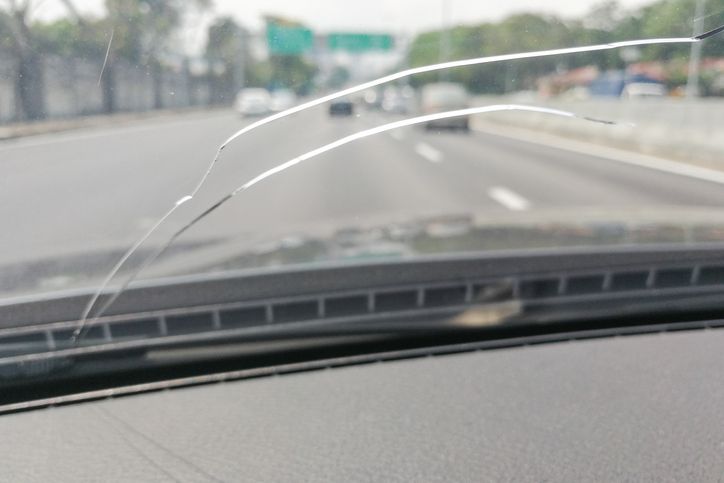
Small cracks or chips often do not stop you from driving. Usually, cracks smaller than a dollar bill are acceptable. Cracks in the driver’s direct view are not allowed. Cracks near the edges may be less risky but still need attention. The windshield must not block your clear view of the road. If the crack spreads quickly, driving is unsafe.
Temporary Repairs
Clear tape or special kits can cover small cracks temporarily. These repairs help prevent dirt and water from worsening the damage. Temporary fixes do not make the windshield safe for long drives. They serve only as a short-term solution. Replace or repair the windshield as soon as possible. Driving with only a temporary fix can still be illegal in many areas.
Exceptions And Special Cases
Some states allow driving with cracks under certain conditions. Emergency situations may permit driving with a cracked windshield. Commercial vehicles often have stricter rules. Classic cars or off-road vehicles might have different standards. Always check local laws to understand specific exceptions. Safety is the top priority in every case.
Credit: www.bakerglassinc.com
Penalties For Violations
Driving with a cracked windshield can lead to serious penalties. Laws vary by state, but many have strict rules. These penalties aim to keep roads safe. They discourage drivers from ignoring windshield damage.
Penalties may affect your wallet and your driving record. Understanding these consequences helps you avoid trouble.
Fines And Tickets
Police officers can stop you for a cracked windshield. They may issue a ticket on the spot. Fines vary by location but can be costly. Sometimes, the amount depends on crack size or location. Small cracks near the driver’s view cause bigger fines. Tickets stay on your driving record and may raise insurance costs.
Vehicle Inspection Failures
Many states require regular vehicle inspections. A cracked windshield can cause your car to fail. Failing means you cannot legally drive until fixed. This adds inconvenience and extra repair costs. Inspections focus on safety and visibility. Windshield damage reduces both, leading to failure.
Insurance Implications
Insurance companies may react to windshield damage. Some refuse to cover accidents caused by poor visibility. Claims might be denied if damage is ignored. Repairing cracks early can prevent bigger problems. Insurance rates might rise after a ticket or accident. Keeping your windshield in good condition saves money.
Repair And Replacement Options
Driving with a cracked windshield can be dangerous and illegal in many areas. Fixing or replacing the glass is important for safety and legal reasons. There are several ways to repair or replace a cracked windshield. Options range from simple DIY fixes to professional services. Understanding these can help you choose the best solution for your situation.
Diy Fixes
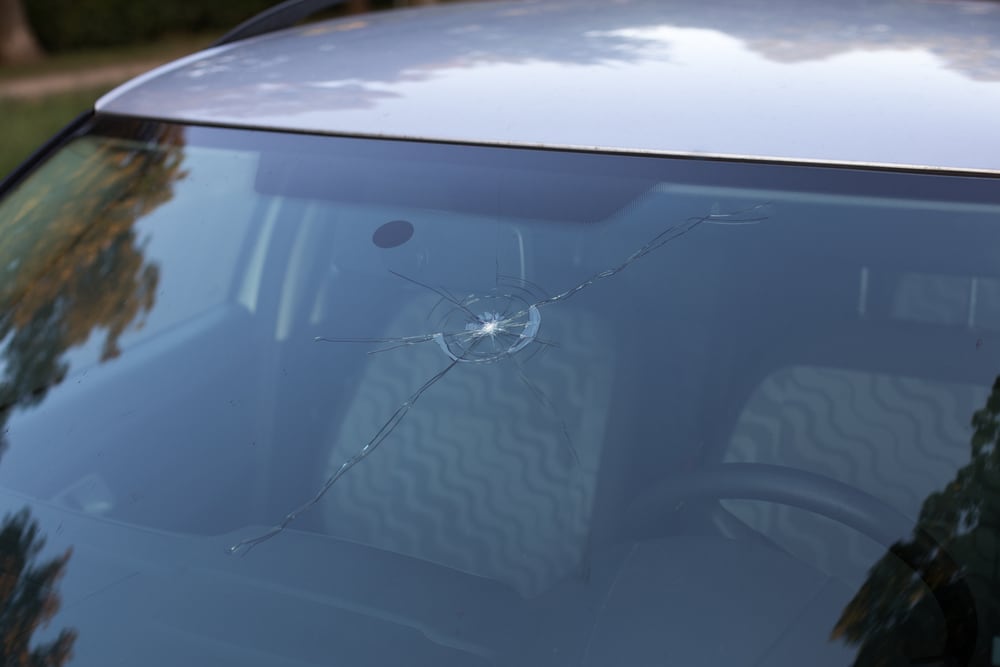
Small cracks or chips may be fixed at home using repair kits. These kits include resin that fills the crack and prevents it from growing. The process is simple and cost-effective. Clean the windshield, apply resin, and let it cure under sunlight. DIY fixes work well for minor damage but are not suitable for large cracks or deep chips.
Professional Services
Professionals offer repair and replacement services for windshields. They use special tools and materials to restore strength and clarity. Experts can fix cracks that are too large or in critical areas. They also replace the entire windshield if damage is severe. Professional work ensures safety and meets legal standards.
Cost And Time Estimates
DIY repair kits usually cost between $10 and $30. They take about 30 minutes to apply and cure. Professional repairs cost around $50 to $150 depending on crack size and location. Full windshield replacement can range from $200 to $500 or more. Repair jobs often finish the same day. Replacement may take a few hours to a full day.
Credit: www.yourmechanic.com
Preventing Windshield Damage
Preventing windshield damage helps keep your car safe and legal to drive. A cracked windshield can worsen quickly. Small cracks can turn into big problems. It is easier to avoid damage than to fix it later. Follow simple steps to protect your windshield daily.
Taking care of your windshield also saves money on repairs. A well-maintained windshield improves your view and driving safety. Use these tips to keep your glass clear and strong.
Safe Driving Tips
Keep a safe distance from other vehicles. Rocks and debris can hit your windshield from cars ahead. Drive slower on gravel roads to reduce flying stones. Avoid sudden stops or sharp turns. This lowers the chance of windshield stress and cracks.
Be careful in bad weather. Rain and ice can hide small cracks. Clean your windshield regularly for better visibility. Replace worn wiper blades on time. Avoid slamming doors, as vibrations may weaken the glass.
Protective Measures
Park your car in shaded or covered areas. Direct sunlight can cause glass to expand and crack. Use a windshield cover on hot days. This protects against heat and sun damage. Avoid parking under trees that drop sap or branches.
Apply a windshield protective film. It adds a layer of defense against chips. Use gentle cleaning products to avoid scratches. Avoid slamming heavy objects against the glass.
Regular Maintenance
Inspect your windshield often for small chips or cracks. Fix minor damage quickly before it grows. Clean the glass with soft cloths and mild cleaners. Check your windshield wipers monthly. Replace them if they leave streaks or miss spots.
Have a professional check your windshield during car services. They can spot hidden damage early. Maintain your car’s suspension to reduce vibrations affecting the glass.

Credit: www.novusglass.com
Frequently Asked Questions
Is It Illegal To Drive With A Cracked Windshield?
Driving with a cracked windshield may be illegal depending on your location. Laws vary by state or country. Small cracks that obstruct the driver’s view are usually prohibited for safety reasons.
When Should You Replace A Cracked Windshield?
Replace your windshield if cracks are larger than a dollar bill or impair visibility. Chips and small cracks can sometimes be repaired safely. Prompt replacement ensures clear vision and avoids legal penalties.
Can A Cracked Windshield Cause A Traffic Ticket?
Yes, police can issue a ticket if your windshield crack obstructs your view. A ticket may also be given if the crack violates local vehicle safety laws. It’s best to fix cracks promptly to avoid fines.
How Does A Cracked Windshield Affect Car Safety?
A cracked windshield weakens your vehicle’s structural integrity. It may fail during an accident or rollover, increasing injury risk. Repairing or replacing cracks maintains safety and ensures your car meets legal standards.
Conclusion
Driving with a cracked windshield can lead to legal trouble. Laws vary by state and country, so check local rules. Small cracks might be allowed, but large ones often are not. Cracks can block your view and cause accidents. Fixing or replacing the windshield keeps you safe and legal.
Don’t wait until the crack grows bigger. Stay aware and drive carefully every time. Your safety matters most on the road.