Skip to content
Are your motorhome running lights not working right now? This can be more than just a small annoyance—it’s a safety issue that could put you and others at risk on the road.
You rely on these lights to keep your vehicle visible, especially during low light or bad weather. If they suddenly stop working, you need a quick and clear solution. You’ll discover simple steps to find out why your running lights aren’t working and how to fix them fast.
Don’t let a small problem turn into a big hassle—keep reading to get your motorhome back in top shape.
Credit: olivertraveltrailers.com
Common Causes Of Running Light Failures
Running lights on a motorhome help keep you safe on the road. They make your vehicle visible to others, especially at night or in bad weather. When these lights fail, the problem often lies in a few common areas. Understanding these causes helps you find solutions fast and get back on the road safely.
Blown Fuses And Circuit Breakers
Fuses protect your motorhome’s electrical system by breaking the circuit if there is too much current. A blown fuse stops power from reaching the running lights. Circuit breakers also serve this purpose. They trip to prevent damage but need to be reset. Checking these parts is a quick way to spot power issues.
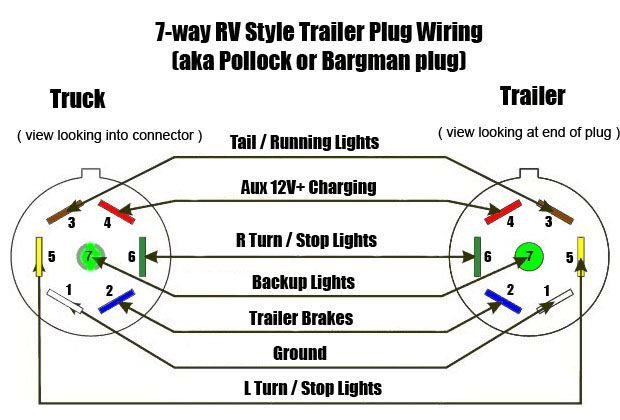
Faulty Wiring And Connections
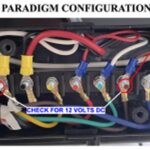
Wiring carries electricity to your running lights. Over time, wires can wear out or come loose. Corrosion and dirt on connections block electricity flow. Bad wiring causes flickering or complete light failure. Inspect wires and connectors for damage or loose ends to fix this problem.
Burnt Out Bulbs
Running light bulbs have a limited life. They burn out after many hours of use. A burnt out bulb is the simplest cause of light failure. Replace old bulbs with new ones to restore your running lights quickly. Always carry spare bulbs for emergencies.
Issues With The Light Switch
The light switch controls power to the running lights. A broken switch stops electricity from reaching the bulbs. Dirt and wear inside the switch can cause it to fail. Testing the switch or replacing it solves running light problems linked to control issues.
Tools And Materials Needed
Fixing motorhome running lights requires the right tools and materials. Having these on hand saves time and effort. It also ensures the repair is done safely and correctly. Below are the essential items you need before starting the job.
Basic Electrical Tools
Start with simple tools like screwdrivers and pliers. Wire strippers and cutters help prepare wires for connection. A socket set may be needed to remove covers or panels. These tools make accessing and fixing the lights easier.
Replacement Bulbs And Fuses
Check the motorhome manual for the exact bulb types. Carry extra bulbs to replace any that are burnt out. Fuses protect the electrical system; have spares ready. Replacing faulty bulbs or fuses often solves running light issues.
Multimeter For Testing
A multimeter measures electrical voltage and continuity. It helps find where the power stops or if wires break. Using this tool can prevent guesswork and speed up repairs. Simple to use and very useful for electrical problems.
Safety Gear
Wear gloves to protect hands from sharp objects and electric shocks. Safety glasses shield eyes from sparks or debris. Have a flashlight for better visibility in dark areas. Safety gear keeps you safe while working on the motorhome.
Step-by-step Troubleshooting
Troubleshooting motorhome running lights starts with a clear, simple process. Follow these steps carefully. Each step focuses on a key part of the light system. This method helps find the problem fast.
Checking The Fuses
First, check the fuses. A blown fuse stops power from reaching the lights. Find the fuse box in your motorhome. Look for the fuse marked for running lights. Remove it and check if the wire inside is broken. Replace a blown fuse with one of the same size and rating.
Inspecting The Wiring
Next, inspect the wiring. Look for loose or damaged wires near the lights. Check connectors for corrosion or dirt. Gently wiggle wires to see if lights flicker. Fix any broken wires or clean dirty connections. Proper wiring ensures the lights get power.
Testing The Bulbs
Then, test the bulbs. Remove each bulb from its socket. Check the filament inside the bulb. A broken filament means the bulb is dead. Replace any bad bulbs with new ones. Use bulbs that match the motorhome’s specifications.
Examining The Light Switch
Finally, examine the light switch. Switches can wear out or get dirty inside. Turn the switch on and off several times. Notice if the lights respond or flicker. Clean the switch contacts if possible. Replace the switch if it feels loose or does not work properly.
Quick Fixes For Common Problems
Running lights on a motorhome can stop working for simple reasons. Many issues are easy to fix. Knowing quick fixes saves time and keeps your motorhome safe on the road.
Check each part step by step. Find the problem fast and fix it yourself. Here are common quick fixes for running light problems.
Replacing Blown Fuses
Fuses protect your motorhome’s electrical system. A blown fuse stops the running lights from working. Locate the fuse box near the dashboard or engine. Use the owner’s manual to find the right fuse for the lights. Remove the blown fuse and replace it with one of the same size and rating. Test the lights after replacing the fuse.
Repairing Loose Connections
Loose wires cause lights to flicker or fail. Check all wire connections near the running lights. Look for wires that are disconnected or damaged. Tighten loose connectors and fix broken wires with electrical tape or connectors. Secure wires so they do not move or wear out. Test the lights after repair.
Changing Burnt Out Bulbs
Old bulbs burn out over time. Remove the light cover carefully. Take out the burnt bulb by twisting or pulling it. Buy a replacement bulb that matches the size and type. Insert the new bulb and replace the cover. Turn on the lights to check if they work.
Resetting Circuit Breakers
Circuit breakers stop the flow of electricity during faults. Find the breaker panel, often near the fuse box. Look for a tripped breaker switch. Flip the breaker to the off position, then back on. This resets the breaker and restores power. Check if the running lights turn on after resetting.
Preventive Tips For Running Light Maintenance
Maintaining your motorhome’s running lights helps keep them working well. It prevents sudden failures and improves safety on the road. Simple steps can save time and money by avoiding costly repairs. Regular care makes your trips smoother and stress-free.
Regular Inspection Schedule
Check your running lights often. Look for cracks, dirt, and dim bulbs. Test lights in daylight and at night. Set a weekly or bi-weekly routine. Early spotting of problems helps fix them fast.
Protecting Wiring From Damage
Keep wiring safe from weather and road debris. Use protective covers or conduit for wires. Avoid sharp bends or tight spots that can wear wires. Secure loose wires to stop rubbing or pulling. Good wiring means steady light performance.
Using Quality Replacement Parts
Choose parts made for your motorhome model. Cheap parts may fail quickly or not fit well. Use bulbs, sockets, and connectors with good reviews. Quality parts last longer and work better. They keep your running lights reliable.
Keeping Electrical Components Clean
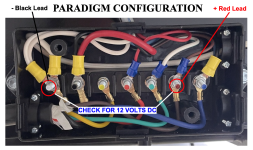
Clean light sockets and connectors regularly. Dirt and corrosion block electric flow. Use a soft brush and mild cleaner. Dry parts fully before reassembly. Clean contacts improve light brightness and life.
Credit: alliancervowners.com
When To Seek Professional Help
Knowing when to seek professional help for motorhome running lights saves time and prevents damage. Some problems need expert skills and tools. Trying to fix these issues alone might cause bigger problems or safety risks. Watch for signs that show a need for a professional electrician or technician.
Complex Electrical Issues
Complex wiring problems are tough to diagnose. Faulty connections, shorts, or blown fuses need careful checking. Professionals use special tools to find hidden faults. They know the motorhome’s electrical system well. This skill helps avoid mistakes that can harm your vehicle.
Persistent Light Failures
Lights that keep going out need expert attention. Replacing bulbs often does not solve the issue. Persistent failures may mean a deeper electrical problem. A technician can test circuits and fix the root cause. This ensures your running lights work safely and reliably.
Upgrading Lighting Systems
Upgrading to new lighting technology requires skill. Professionals install LED lights or other advanced systems correctly. They ensure compatibility with your motorhome’s wiring. Proper installation avoids future electrical faults. Experts also help meet legal lighting standards for safety.
Frequently Asked Questions
Why Are My Motorhome Running Lights Suddenly Not Working?
Running lights may fail due to blown fuses, faulty bulbs, or wiring issues. Check the fuse box first. Inspect bulbs for damage. Also, examine wiring connections for corrosion or loose contacts. Regular maintenance helps prevent these problems and keeps lights functioning safely.
How Can I Fix Motorhome Running Lights Quickly?
Start by replacing blown fuses and burnt-out bulbs. Clean corroded connectors with electrical contact cleaner. Tighten any loose wiring connections. If issues persist, test the light switch or seek professional help to avoid electrical hazards and ensure proper repairs.
What Causes Motorhome Running Lights To Flicker Intermittently?
Flickering lights often indicate loose wiring or poor grounding. Corroded connectors can also cause inconsistent power flow. Check wiring harnesses and grounding points. Secure all connections tightly and clean any corrosion to restore steady light performance and enhance road safety.
Can A Dead Battery Affect Motorhome Running Lights?
Yes, a weak or dead battery can cause running lights to dim or fail. Ensure the battery is fully charged and in good condition. Test the battery voltage and replace it if necessary to maintain proper electrical system operation.
Conclusion
Motorhome running lights keep you safe on the road. Check bulbs, fuses, and wiring first. Clean connections help avoid many problems. Test each light to find the issue fast. Small fixes often save time and money. Stay calm and follow simple steps carefully.
Good lighting means better visibility and fewer risks. Keep your motorhome ready for every trip. Don’t ignore running light problems—they matter a lot. Regular checks help prevent future trouble. Safe travels start with working lights.