Selecting the right liquid primer for an RV roof coating depends on your specific membrane material, such as EPDM or TPO. You are choosing between dedicated primers for single materials and versatile formulas that work on multiple surfaces. The best option depends on whether you need to treat one specific material or want a product for several different repair jobs.
Best overall: Liquid Rubber EPDM Primer. This is a dedicated rubber polymer formula that focuses on increasing adhesion for EPDM surfaces, making it a reliable choice for standard rubber roof maintenance.
Best for TPO surfaces: Ziollo TPO Primer. This primer is designed specifically to create a chemical bond with TPO material, which often rejects standard coatings, helping your sealant stay in place through your travels.
Best for quick projects: Dicor TPO Roof Primer. This professional-grade option is noted for its quick-drying formula, which helps streamline your repair process and allows you to move to the coating stage faster.
The rest of this guide is for DIY owners who want to understand which primer fits their specific roof material and maintenance goals.
How We Picked
We compared 92 different Amazon listings to find primers that clearly state their intended surface compatibility and application methods. Our selection focuses on products that provide specific details like coverage area, drying times, and the types of roof membranes they support. Products were excluded if they lacked clear guidance on surface requirements or if their intended use was too vague for a specific repair. We focused only on the information provided by the manufacturers to ensure our recommendations remain grounded in the stated features of each product.
All 10 products side by side — scroll sideways to see every column.
| Top Pick | Best for TPO Roofing | Best for Quick Drying | Best High Adhesion Primer | Best for Low VOCs | Best Clear Coating Primer | Best for Flat Roofs | Best for Plastic Parts | Best for Silicone Coatings | ||
| Preview |  | 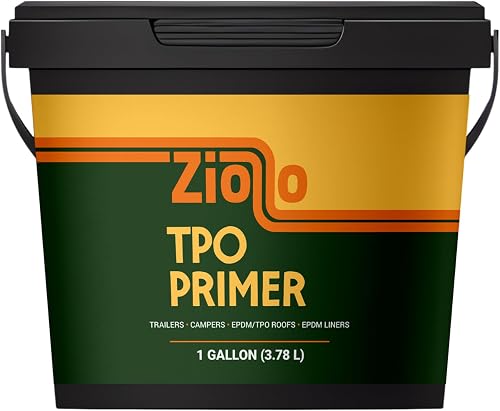 |  |  |  |  |  |  |  |  |
|---|---|---|---|---|---|---|---|---|---|---|
| Product | Liquid Rubber EPDM Primer | Ziollo TPO Primer | Dicor TPO Roof Primer | Multi-Purpose RV Roof Primer | Liquid Rubber RV Primer | EPDM and TPO Primer | BUS-PRIME Roof Primer | SUPERMAX Roof Coating Primer | Dicor Ultra Sealant Primer | Gardner RV Blue Primer |
| Brand | Liquid Rubber | Ziollo | Dicor | HARVUNIX | Tenee | Wadities | Nationwide Coatings | Nationwide Coatings | Dicor | Gardner |
| Best for | Top Pick | Best for TPO Roofing | Best for Quick Drying | Best High Adhesion Primer | — | Best for Low VOCs | Best Clear Coating Primer | Best for Flat Roofs | Best for Plastic Parts | Best for Silicone Coatings |
| The listing says | Water-based primer for EPDM surfaces Use before applying RV roof coating | Specialized primer for TPO roofing Dries in 1-2 hours | Improves adhesion to TPO membranes Protects TPO roof membrane | Elastic sealant resists rain and UV Reflects over 90% solar heat | Bonding basecoat for EPDM and TPO Self-leveling water-based formula | Adheres to EPDM, TPO, metal, and wood Non-toxic with low VOCs | Works on most vehicle roof substrates Adheres to PVC, Dicor, rubber, and TPO | Clear adhesive bonding roof primer Eliminates delamination | Prepares TPO roofing and plastic Promotes bonding of ultra sealant | Improves bonding for silicone coatings Preps RVs, campers, and trailers |
| More information | Check Latest Price on Amazon | Check Latest Price on Amazon | Check Latest Price on Amazon | Check Latest Price on Amazon | Check Latest Price on Amazon | Check Latest Price on Amazon | Check Latest Price on Amazon | Check Latest Price on Amazon | Check Latest Price on Amazon | Check Latest Price on Amazon |
1. Liquid Rubber EPDM & TPO Primer
Best for: EPDM rubber roof maintenance.
This primer is a water-based rubber polymer designed to help your roof coating stick to EPDM surfaces. By using this before your main coating, you create a stronger foundation that helps the system handle weather exposure. If you’re looking for a broader solution, the Multi-Purpose RV Roof Primer supports a wider variety of materials.
Proper surface preparation is vital. The primer requires a surface that’s clean, dry, and free of any debris that could cause an uneven or unsound bond. If you skip the Liquid Rubber RV Smart Cleaner before priming, you risk poor adhesion that may cause the final coating to fail prematurely.
It’s easy to apply with a brush, roller, or spray equipment using appropriate nozzles. This product isn’t a single-step sealant. If you need a standalone roof sealer, don’t buy this primer. It’s strictly a preparation step to ensure a bulletproof system for your RV, camper, or trailer roof.
Pros
- Designed for EPDM rubber surfaces
- Works with brush, roller, or spray
- Improves roof coating adhesion
Cons
- Not a standalone roof sealer
- Requires clean, dry surfaces
2. Ziollo TPO Primer
Best for: Challenging TPO roofing material.
This primer creates a chemical bond specifically for TPO roofs that often struggle to hold onto sealants. It dries in 1-2 hours, which is helpful if you want to finish your repair quickly. While this is great for TPO, the Dicor TPO Roof Primer is another option if you prefer a professional-grade system from a specific brand ecosystem.
You can apply this with a brush, roller, or sprayer as long as the temperature is above 50°F. One gallon covers 250 square feet, providing enough coverage for a standard 30-foot RV. It’s best for owners who want a dedicated bond for TPO without waiting days for the surface to be ready.
If you’re unsure if your roof is TPO, remember that this formula is strictly for materials that typically reject standard adhesion. Using it on other roof types is unnecessary. For the best results, use the Ziollo RV Roof Cleaner first to prep the surface. If you see leaks around vents or seams, add Ziollo Seam Tape before applying your final liquid rubber coating.
Pros
- Fast 1-2 hour drying time
- Specifically for TPO roofs
- Easy application methods
Cons
- Only for TPO surfaces
- Temperature sensitive application
3. Dicor RP-TPR-Q TPO Roof Primer
Best for: Professional-grade TPO adhesion.
This primer is designed to work with the Dicor silicone coating system to provide a durable, long-lasting bond. Its quick-drying formula is meant to save labor time, which can be a real advantage when you have a large area to cover. Compared to the Liquid Rubber RV Primer, this product is focused on a specific 2-part system for TPO membranes.
If you’re working with TPO, use this primer to reduce labor requirements by over 25% compared to competing products. Apply the primer using a brush or roller, ensuring you have enough for your project as one quart covers approximately 225 sq. ft.
Many users mistakenly apply this primer to non-TPO surfaces, which compromises the intended bond. If you’re coating a TPO membrane, use this primer to ensure the silicone layer adheres correctly. If you’re working with a different roof material, look for a product specifically formulated for that substrate.
Pros
- Professional-grade adhesion
- Quick-drying formula
- Efficient 2-part system
Cons
- Smaller container size
- Best within its own brand
4. Multi-Purpose RV Roof Primer
Best for: Wide range of roof materials.
This primer is highly versatile, working on EPDM, TPO, metal, fiberglass, and even wood. Its white color reflects over 90% of solar heat, which helps keep the inside of your RV cooler during trips. While this covers many bases, the BUS-PRIME Roof Primer offers a clear finish if you prefer not to have a white base layer.
The formula is self-leveling, which helps smooth out uneven spots on your roof before you apply the final coating. It dries to the touch in 4 hours and is recoatable in 6 hours. If you’re working in high humidity, expect these drying times to stretch significantly.
Apply at temperatures between 50°F and 90°F to ensure the elastomeric properties set correctly. One gallon covers approximately 50 square feet; calculate your total square footage carefully to ensure you apply the required two to three heavy coats. This primer isn’t for owners who need a specialized, single-material chemical bond, as its strength lies in its broad compatibility.
Pros
- Compatible with many materials
- Reflects solar heat
- Self-leveling formula
Cons
- Requires heavy coats
- Longer dry time
5. Liquid Rubber RV Primer
Best for: Versatile bonding basecoat.
This primer works on both EPDM and TPO roofs, helping your topcoat grip the membrane instead of just sitting on top. It helps reduce common issues like peeling or blistering by creating a smooth base for your coating. If you need a product specifically for clear sealing, the SUPERMAX Roof Coating Primer might be a better fit.
Apply this primer only when the surface is clean and free of dust, oils, or loose coatings. Use it for surface preparation only; it isn’t a standalone sealer or a patch for active leaks.
It covers up to 250 sq. ft. per gallon and dries in 2-4 hours, depending on conditions. You can use it on decks or concrete too, which makes it a useful item to have in the garage. Always test a small area first to ensure compatibility with your chosen topcoat.
Pros
- Works on EPDM and TPO
- Covers up to 250 sq. ft.
- Helps prevent peeling
Cons
- Not for active leaks
- Requires compatible topcoat
6. EPDM and TPO Primer
Best for: High-performance multi-surface use.
This primer enhances adhesion across EPDM, TPO, metal, wood, concrete, and plastic. It’s water-based and low-VOC, making it a safer option for those concerned about harsh chemicals. If you require a clear formula for your prep work, choose an alternative, as this primer is designed for high-performance bonding rather than transparency.
It’s self-leveling and hides surface flaws, creating a smooth finish for your final coating. You can apply it with a brush, roller, or sprayer. When using a sprayer, maintain a dilution ratio of five parts primer to one part water. A single container provides enough coverage for up to 250 square feet. Apply one to two coats and allow 24 hours for the surface to dry completely.
This product is ideal for RV roofs, gutters, and foundations. Don’t use this primer if you require a specialized chemical treatment, as its primary strength is general-purpose versatility.
Pros
- Low-VOC formula
- Smooths out roof defects
- Wide material compatibility
Cons
- 24-hour full dry time
- Requires dilution if spraying
7. BUS-PRIME Roof Primer
Best for: Clear coating applications.
This primer is a clear, elastomeric formula that works on a wide variety of substrates including PVC, Dicor, and rubber. It acts as a great fabric saturant if you’re using seam tape, which is helpful for reinforcing your roof edges. If you prefer a white primer that reflects heat, the Multi-Purpose RV Roof Primer is a different option.
It covers up to 150 sq. ft. per gallon and should be applied when temperatures are above 45 degrees. If you’re working in colder conditions, wait for a warmer day to ensure the resin cures properly. Always verify the roof surface is clean and dry before starting.
This isn’t for those who want a pigmented primer to see where they have already applied the product. Because the formula is clear, you must track your progress carefully to avoid missing spots. If you need visual confirmation of your coverage, choose a white primer instead.
Pros
- Clear formula
- Excellent for seam tape
- Easy water cleanup
Cons
- Lower coverage per gallon
- Clear finish lacks visibility
8. SUPERMAX Roof Coating Primer
Best for: Preventing delamination.
This clear, adhesive bonding primer stops delamination on both flat and sloped roofs. It’s environmentally friendly and contains low VOCs, making it a conscious choice for your maintenance needs. If you’re coating a rubber surface, choose the Liquid Rubber EPDM Primer instead.
Apply one coat at a rate of 100 to 150 square feet per gallon. You can use a brush, roller, or industrial airless sprayer to achieve an even finish. Always ensure the roof surface is completely clean and dry before you begin.
Because this primer dries clear, it’s ideal for maintaining the original appearance of your roof. However, don’t use this product if you require a white, reflective base to lower interior temperatures. Relying on this clear primer for heat rejection is a common mistake that leaves your roof unprotected from solar gain.
Pros
- Prevents delamination
- Low VOC formula
- Easy application
Cons
- Lower coverage per gallon
- Clear finish
9. Dicor RP-USP-P Ultra Sealant Primer
Best for: Preparing plastic appliances.
This 16 oz container is designed specifically to prepare TPO roofing and plastic appliances before applying sealant. It serves as the essential first step in Dicor’s ultra sealant system. By priming these surfaces, you promote the strong bonding required to keep roof accessories watertight.
Use this primer only for spot-fixing areas around vents, skylights, and individual fixtures. If you’re attempting to cover a large roof area, this small container will prove insufficient for the job. For full roof projects, look for a larger primer product like the Ziollo TPO Primer instead.
Apply this primer whenever you need to ensure a secure bond between your sealant and plastic materials. If the surface is a large TPO sheet, choose a bulk-sized alternative to avoid running out mid-project.
Pros
- Promotes excellent bonding for sealants
- Ideal for plastic appliances
- Compact size for storage
Cons
- Not for large roof areas
- Limited 16 oz quantity restricts use to spot-priming only
10. Gardner RV Blue Roof Primer 1-quart Waterproof Roof Sealant
Best for: Clear professional finish.
This primer is designed for single-ply membranes and helps improve the bonding strength of silicone coatings. Its translucent blue color makes it easy to see where you have applied it, but it dries clear for a professional look. If you need a white primer for better coverage visibility, the EPDM and TPO Primer is a good alternative.
It covers about 125 sq. ft. per container and is very user-friendly for beginners. It’s specifically intended for RVs, campers, and trailers.
Apply this primer only to single-ply membranes. If you attempt to use it on porous surfaces like wood or concrete, the product will fail to bond correctly, leading to premature peeling of your topcoat. Always verify your roof material before starting; if the surface isn’t a membrane, choose a different bonding agent.
Pros
- Translucent blue for visibility
- Dries clear
- Simple to apply
Cons
- Smaller coverage area
- Membrane-focused only
How to Choose in Sixty Seconds
Match the Primer to Your Roof
The most important step is identifying your roof material. EPDM and TPO are the most common, but they react differently to chemicals. Using an EPDM primer on a TPO roof might not give you the bond you need. Check your owner’s manual or look for identifying marks on your roof membrane. If you’re unsure, look for a multi-purpose primer that explicitly lists both materials on the label. Never guess, as the wrong primer can lead to the coating peeling off after only a few months of travel. Always verify the manufacturer’s Environmental Protection Agency guidelines for handling and disposal to ensure you’re following safe practices for your specific product.
Consider Your Application Method
Think about how you plan to apply the primer. If you have a large, flat roof, a roller or a sprayer will save you hours of work. If you’re working around vents and tight seams, a brush is often better. Some primers, like the EPDM and TPO Primer, have a specific dilution ratio if you choose to use a sprayer. If you’re a beginner, a self-leveling primer is often easier to work with because it smooths out minor imperfections automatically. Check the dry time as well; if you’re on a tight schedule, look for a fast-drying formula that lets you apply the topcoat the same day.
Prepare the Surface Properly
No primer will work well if the surface is dirty or greasy. You must clean the roof thoroughly before you start. Most manufacturers recommend a specific cleaner, but at a minimum, ensure the roof is free of dust, oils, and loose debris. If the roof isn’t clean, the primer will bond to the dirt instead of the membrane, which leads to failure. Once the roof is clean, let it dry completely. Moisture trapped under the primer can cause bubbles to form later. Take your time with the prep work; it’s often more important than the quality of the primer itself for a long-lasting repair.
Related guides
Frequently Asked Questions
Can I use a regular house paint primer on my RV roof?
No, you should never use standard house paint primer on an RV roof. RV membranes require specialized primers designed to flex with constant movement and vibration. Using rigid house primers will cause the coating to crack and peel, potentially damaging your roof membrane.
How do I know if I have an EPDM or TPO roof?
EPDM is a synthetic rubber that often leaves a chalky residue, while TPO has a smoother, plastic-like feel. Check your manufacturer’s documentation or the underside of the material near a vent to confirm your roof type. Many multi-purpose primers are available if you cannot identify the specific material.
Do I really need to use a primer before coating?
Yes, using a primer is highly recommended to ensure a professional-grade finish. The primer acts as a bonding agent, creating a necessary bridge between the roof membrane and your final coating. This step significantly reduces the risk of the topcoat peeling or blistering over time.
Can I apply a primer if the temperature is cold?
Most RV roof primers require application temperatures between 45°F and 50°F. If the temperature is too low, the primer will fail to cure or bond correctly to the surface. Always check the product label and wait for warmer weather to ensure the coating remains effective.
Closing
For most RV owners, the Liquid Rubber EPDM Primer is the most reliable choice for rubber roofs, while the Ziollo TPO Primer stands out for those dealing with difficult TPO membranes. Both products provide the necessary chemical foundation to keep your roof coating secure against road vibration and weather.
Before you start, verify your roof material; using a primer meant for EPDM on a TPO surface can lead to poor adhesion and premature peeling. If you’re unsure, test a small, inconspicuous area first. Always ensure the surface is clean, dry, and free of debris, as any trapped dust will compromise the bond regardless of the primer quality.
Apply your chosen primer using a brush, roller, or sprayer when temperatures are above 50°F. Most formulations cover between 150 and 250 square feet per gallon. Proper preparation remains the best way to ensure your roof stays leak-free, allowing you to focus on your next adventure instead of repairs.