Are you wondering how long your summer tires will last before they need replacing? Knowing the lifespan of your summer tires is crucial for your safety and your vehicle’s performance.
Summer tires give you excellent grip and control when the weather is warm, but they wear down faster than all-season tires. If you push them too far, you risk losing traction and putting yourself in danger on the road. You’ll discover exactly how long summer tires typically last, why they wear out quicker, and how to tell when it’s time for new ones.
Keep reading to protect your ride and make the most of your summer driving experience!
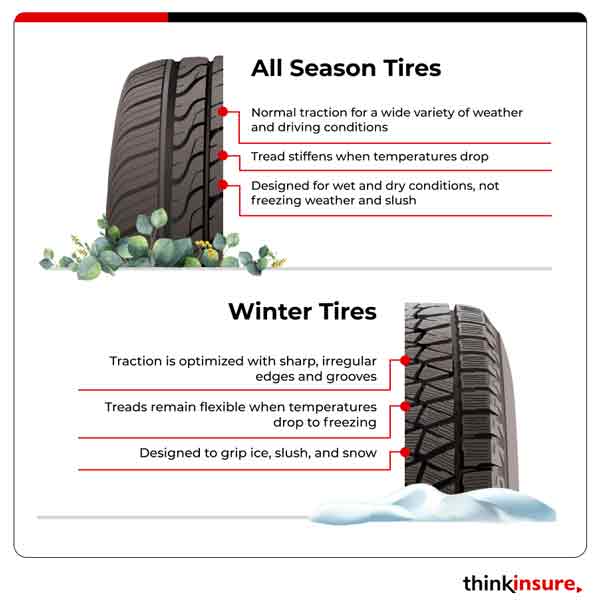
Credit: www.thinkinsure.ca
Summer Tire Lifespan
Summer tires usually last between 20,000 and 30,000 miles. Their softer rubber helps grip warm roads better but wears out faster. Heat and driving style also change how long they last. Hot weather speeds up tire wear. Hard braking and fast turns can reduce tire life too.
Different factors affect summer tire wear:
- Rubber compound: Softer for better grip, less durable.
- Road conditions: Rough or hot roads wear tires more.
- Driving habits: Aggressive driving shortens lifespan.
| Feature | Summer Tires | All-Season Tires |
|---|---|---|
| Rubber Type | Soft, grips better | Harder, lasts longer |
| Lifespan | 20,000-30,000 miles | 40,000-60,000 miles |
| Performance | Best in warm weather | Good all year round |
Tire Composition And Wear
Summer tires use a softer rubber compound to improve grip on hot roads. This soft rubber helps the tire stick better to the pavement, giving you better traction and control.
Because the rubber is softer, summer tires tend to wear out faster than all-season tires. They lose tread more quickly, especially if driven on rough or cold surfaces.
Heat affects the rubber too. High temperatures make the rubber softer, which helps grip but also speeds up tire wear. Too much heat can cause the tires to degrade faster.
Signs Of Tire Wear
Tread depth shows how much tire rubber is left. Use a tread depth gauge or a coin to check it. Tires below 2/32 inch tread are unsafe and need replacing. Uneven tread wear can cause poor handling and increase risk on wet roads.
Visible cracks and damage on sidewalls or tread mean the rubber is aging or has been harmed. Look for cuts, bulges, or punctures. Any deep cracks or chunks missing reduce tire strength and safety.
Performance changes signal tire wear. Notice if the car pulls to one side or braking feels less smooth. Tires with poor grip cause slipping on wet or hot pavement. Vibrations or noise may also mean tire problems.
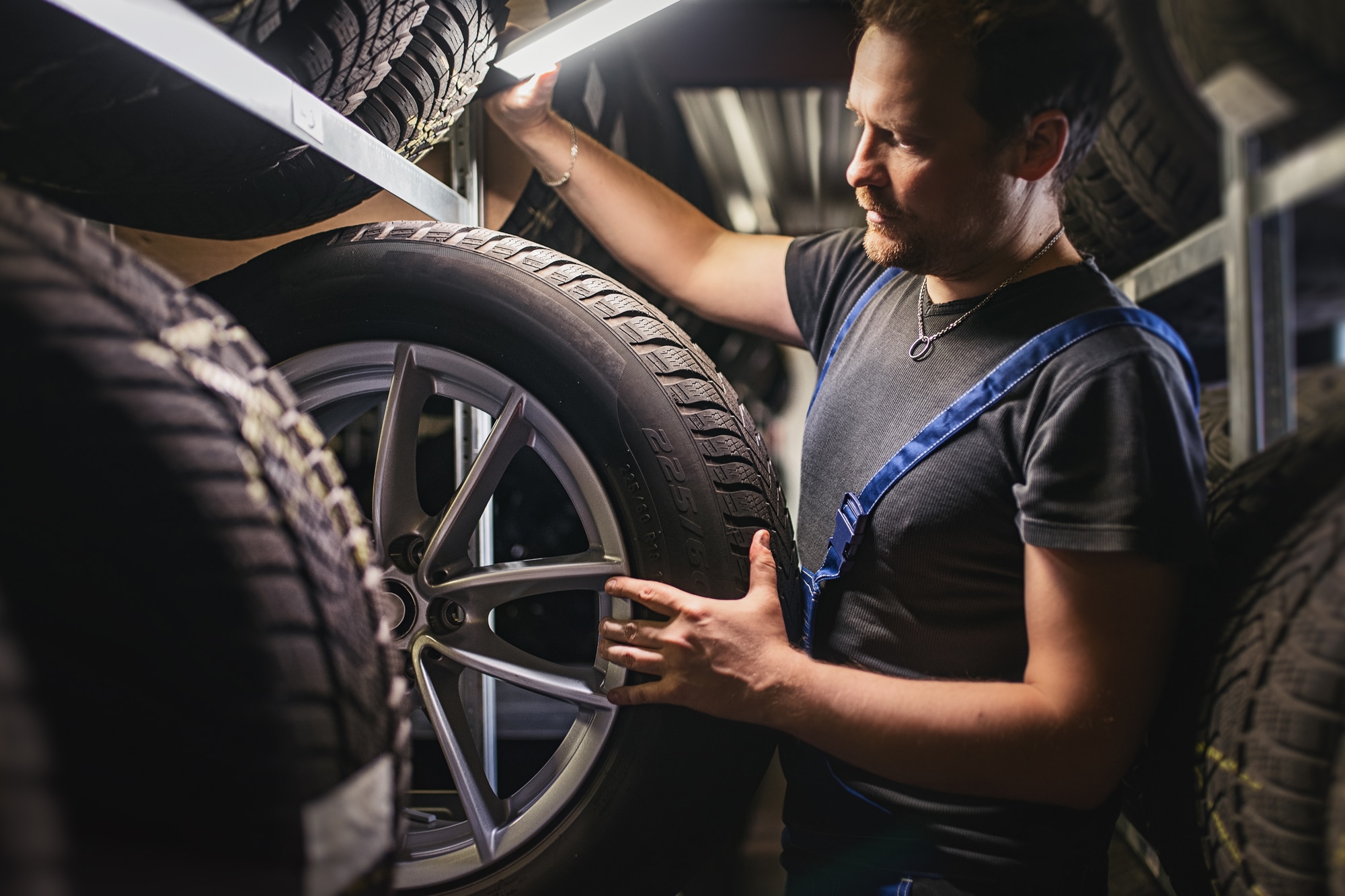
Credit: www.capitalone.com
Tire Aging Risks
Hardened rubber in summer tires leads to less flexibility. This causes the tires to lose their ability to grip the road well, especially on wet surfaces. As the rubber hardens, traction decreases, making driving less safe. Tires with hardened rubber can also crack more easily.
Reduced grip means longer stopping distances. This can cause accidents in sudden braking situations. Tires that have lost grip do not handle turns as well, increasing the risk of skidding.
Internal structural damage happens over time due to heat and sunlight. The tire’s layers may weaken or separate. This damage is not always visible but greatly reduces tire strength. Weak tires can fail without warning, creating dangerous driving conditions.
Checking Tire Age
Every tire has a DOT code stamped on its sidewall. This code shows the manufacturing date and other details. The last four digits reveal the week and year the tire was made. For example, “2319” means the tire was made in the 23rd week of 2019.
Understanding the manufacturing date helps track the tire’s age. Most experts suggest replacing summer tires after 6 to 10 years, even if they look fine. Over time, the rubber hardens and loses grip.
| Age of Tire | Recommended Action |
|---|---|
| 0-6 years | Check tread regularly, use as normal |
| 6-10 years | Consider replacing, inspect for damage |
| Over 10 years | Replace immediately, high safety risk |
Maximizing Summer Tire Mileage
Proper tire maintenance is key to getting the most miles from summer tires. Checking the tire pressure regularly keeps the tires from wearing unevenly. Underinflated tires can wear out faster and reduce fuel efficiency. Overinflated tires may cause a rough ride and wear in the center.
Wheel alignment ensures that tires wear evenly. Misalignment causes tires to scrub against the road, wearing down the edges quickly. Balancing the wheels prevents vibration and uneven tread wear. Unbalanced tires can cause premature damage to suspension parts and tires.
Simple steps like checking pressure every two weeks and doing alignment yearly can extend tire life. Good maintenance helps tires last longer, saves money, and keeps driving safe.
Driving Habits To Extend Tire Life
Aggressive driving causes tires to wear out fast. Sudden turns and quick acceleration increase tire heat and stress. This reduces their life span significantly.
Hard braking wears down tire tread quickly. Smooth, gradual stops help maintain tire grip and durability. Avoid slamming brakes on slippery or hot roads.
Driving at safe speeds keeps tires cooler and prevents damage. High speeds increase friction and heat, making tires wear out sooner. Follow speed limits and drive carefully.
Small changes in driving habits can add thousands of miles to summer tires. Gentle driving means better tire performance and safety on the road.
Storage Tips For Off-season
Cleaning summer tires before storage is essential. Remove all dirt, brake dust, and grime using mild soap and water. Dry tires fully to prevent moisture damage and mold growth. This step helps keep tires in good condition during off-season storage.
Store tires in a cool, dry, and dark place. Avoid areas with direct sunlight or heat sources, which can cause rubber to degrade. Keep tires away from chemicals, oils, and solvents. Store tires upright or stacked flat, but avoid hanging them, which can cause deformation.
Rotating tires yearly during storage helps maintain even wear. This practice prevents flat spots and keeps the rubber flexible. Mark tires before removal to ensure they return to the same position on the vehicle.
When To Replace Summer Tires
Mileage limits for summer tires usually range between 20,000 to 40,000 miles. Driving style and road conditions affect this number a lot. Aggressive driving or rough roads can wear tires faster.
Age thresholds suggest replacing tires every 6 to 10 years, even if tread looks fine. Rubber gets hard and loses grip over time. Check your tire’s manufacture date on the sidewall.
Damage and wear indicators are small bars inside the tread grooves. When these bars become level with the tire tread, it means the tire is worn out. Any cracks, cuts, or bulges also mean it’s time to replace.

Credit: www.davischev.com
Frequently Asked Questions
Do Summer Tires Wear Out Faster?
Yes, summer tires wear out faster due to their softer rubber compound. This improves grip but reduces durability compared to all-season tires.
How Often Should You Change Your Summer Tires?
Change summer tires every 3 to 5 years or after 20,000 to 30,000 miles, depending on wear and driving conditions. Check tread depth regularly and replace if below 2/32 inch for safety and optimal performance.
What Is The 3% Rule For Tires?
The 3% rule for tires means new tires should not exceed 3% difference in diameter from original tires. This ensures proper fit, prevents rubbing, and maintains accurate speedometer readings. Staying within this limit helps protect vehicle suspension and performance. Always check manufacturer guidelines.
Are 10 Year Old Tires Ok To Drive On?
Driving on 10-year-old tires is unsafe. Rubber hardens, causing cracks and reduced grip, increasing failure risk. Replace tires every 6-10 years.
Conclusion
Summer tires usually last between 20,000 and 40,000 miles. Their softer rubber wears out faster than all-season tires. Proper care, like regular rotation and correct pressure, can extend their life. Watch tread depth and replace tires when they become too thin.
Using summer tires only in warm weather helps maintain performance and safety. Checking tires often keeps your ride smooth and secure. Choose tires that fit your driving needs and climate. Stay safe and enjoy the road with well-maintained summer tires.