Why Does My Brake Light Stay On?
A brake light that stays on when it shouldn’t can be confusing and frustrating. Many drivers see this red warning light and feel immediate worry. Is it safe to keep driving? Will the brakes fail? Or is it just a minor issue? Understanding why your brake light stays on is important for your safety, your car’s health, and your peace of mind.
This article will help you learn the most common reasons the brake warning light stays on, how to diagnose the problem, and what steps you can take to fix it. You’ll also discover why ignoring this problem could put you at risk, and how regular checks can help prevent it.
Whether you drive a new car or an older model, these insights will save you time, money, and stress.
What Does The Brake Warning Light Mean?
Most cars have two types of brake lights: one is the red warning light on your dashboard (sometimes with the word “BRAKE” or an exclamation mark), and the other is the rear tail lights that come on when you press the brake pedal. Here, we’re talking about the dashboard brake warning light.
This light usually means the car’s brake system has detected a problem. It’s not always an emergency, but it is a sign you should check your brakes soon. Sometimes, it’s something simple, like leaving the parking brake on. Other times, it’s a sign of a more serious issue.
Types Of Brake Warning Lights
Modern cars can have several brake-related lights:
- Red brake warning light: Signals a possible problem with the main brake system.
- ABS light: Shows trouble with the anti-lock braking system.
- Brake pad wear light: Alerts you when pads are thin on some cars.
If the red brake warning light stays on, focus on finding the cause right away.
Most Common Reasons Your Brake Light Stays On
Many different things can cause the brake warning light to stay on. Some are quick fixes, while others need more attention. Let’s break down the most common causes.
1. Parking Brake Not Fully Released
This is one of the simplest reasons. If the parking brake (handbrake) is even slightly engaged, the warning light will stay on. Sometimes the lever or pedal doesn’t go down all the way, or the sensor that detects its position gets stuck.
How to check: Make sure the parking brake is fully released. On some cars, pushing the pedal or pulling the lever a bit harder will turn the light off.
2. Low Brake Fluid Level
The brake system uses hydraulic fluid to operate. If the fluid level drops too low, a sensor triggers the brake warning light. Fluid can drop for several reasons:
- Normal brake pad wear (as pads wear, pistons move out, lowering fluid)
- Small leaks in the system
- Evaporation or old age
How to check: Look at the brake fluid reservoir under the hood. The level should be between “MIN” and “MAX.” If it’s low, top it up with the correct fluid (usually DOT 3 or DOT 4). If it drops again soon, there’s likely a leak.
3. Worn Brake Pads (on Some Cars)
Some cars have sensors that detect when the brake pads are worn down. If the pads get too thin, the sensor will turn on the warning light. While not all cars have this feature, it’s becoming more common.
How to check: If you hear squeaking or grinding when braking, or if you haven’t changed the pads in a long time, get them inspected.
4. Faulty Brake Fluid Sensor
The brake fluid reservoir has a float sensor to detect low levels. If this sensor fails or gets stuck, it may send a false signal and keep the light on, even if the fluid is fine.
How to check: Tap the reservoir gently. If the light flickers, the sensor might be sticking. Sometimes cleaning or replacing the sensor is needed.
5. Bad Parking Brake Switch
A small switch detects whether the parking brake is on or off. If this switch fails or gets misaligned, it can keep the light on. This is more common in older vehicles or after repairs.
How to check: Move the parking brake lever/pedal while watching the light. If the light doesn’t change, check the switch under the lever or pedal.
6. Electrical Or Wiring Issues
Wiring problems, such as corroded connectors or damaged wires, can send the wrong signals to the dashboard. This is especially true if the car has had water leaks or has been sitting unused.
How to check: Inspect wiring for visible damage, especially near the brake fluid reservoir and parking brake.
7. Abs Problems (in Some Cars)
In some vehicles, a problem with the ABS system can also trigger the main brake warning light, either alone or together with the ABS light.
How to check: If both lights are on, have the ABS system scanned for trouble codes.
8. Master Cylinder Issues
The master cylinder is the heart of the brake system. If it develops internal leaks or the seals wear out, the system may lose pressure and trigger the light.
How to check: If the brake pedal feels soft or sinks to the floor, have the system checked immediately.
9. Failed Brake Booster
A vacuum-assisted brake booster helps you apply the brakes easily. If it fails, braking becomes much harder, and the light may come on.
How to check: If the pedal is stiff and hard to press, the booster may be bad.
10. Problems After Recent Repairs
If you recently had brake work done (pads, fluid, ABS sensors), the light may stay on if something wasn’t put back correctly or if air is trapped in the system.
How to check: Return to the repair shop and ask them to double-check their work.
How To Diagnose A Brake Warning Light
Finding out why your brake light stays on is not always simple. But with a step-by-step approach, you can often identify the cause, or at least know when to seek professional help.
Step-by-step Diagnosis
- Check the parking brake: Release and re-apply it several times to make sure it’s fully off.
- Inspect brake fluid level: Look at the reservoir and top up if needed.
- Look for leaks: Check under the car and around the wheels for wet spots or puddles.
- Listen for noises: Squealing, grinding, or scraping can mean worn pads or other damage.
- Check for other warning lights: If the ABS or another light is also on, the problem may be more complex.
- Examine the brake pedal: Is it soft, hard, or feels different? This offers clues about the hydraulic system.
- Test the warning light: With the ignition on, gently jiggle the parking brake lever and observe if the light flickers.
- Scan for codes: Many modern cars store trouble codes. An OBD2 scanner can read these codes to help pinpoint the issue.
When To Seek Professional Help
If you’re unable to find the problem, or if you notice:
- A spongy or sinking brake pedal
- Fluid leaks
- Brakes not working properly
- Unusual noises
- Both the brake and ABS lights on
Do not drive the car. Have it towed or checked by a qualified mechanic.
Comparison: Common Causes And Fixes
To help you quickly compare the most likely issues and their solutions, here’s a summary:
| Cause | How to Check | Fix |
|---|---|---|
| Parking brake engaged | Check lever/pedal position | Fully release parking brake |
| Low brake fluid | Check reservoir level | Top up fluid, check for leaks |
| Worn brake pads | Listen for squealing, inspect pads | Replace pads |
| Faulty fluid sensor | Tap reservoir, observe light | Clean or replace sensor |
| Bad parking brake switch | Test with lever movement | Repair or replace switch |
| Wiring issues | Inspect for damage/corrosion | Repair wiring |
| ABS problem | Check if ABS light is also on | Scan and repair ABS |
| Master cylinder issue | Check pedal feel, look for leaks | Professional repair |
| Brake booster failure | Pedal hard to press | Replace booster |
| After recent repairs | Check with mechanic | Re-inspect work |
Credit: www.agcoauto.com
How Dangerous Is It To Drive With The Brake Light On?
Many drivers ignore the brake warning light, thinking it’s a minor issue. But this can be a serious mistake. The brake system is your car’s most important safety feature.
Risks Of Driving With The Brake Light On
- Reduced braking power: If the light is due to low fluid or a leak, the brakes may not work when you need them most.
- Complete brake failure: A severe leak or master cylinder issue can lead to total brake loss.
- ABS failure: If the ABS is involved, you could lose anti-lock protection, making skids more likely.
- Legal risks: In many places, driving with a known brake issue can get you fined or your car impounded.
Real-world Example
A study by the National Highway Traffic Safety Administration found that brake problems cause about 22% of car accidents related to mechanical failure. Ignoring the warning light increases your risk of an accident.
How To Top Up Brake Fluid Safely
If low brake fluid is the cause, topping it up is a simple job. But there are a few important steps:
- Find the brake fluid reservoir: Usually on the driver’s side near the firewall.
- Clean the cap: Wipe away dirt before opening to avoid contamination.
- Check the label: Use only the recommended type (often DOT 3 or DOT 4).
- Fill to the “MAX” line: Do not overfill.
- Replace the cap tightly: Prevents leaks and moisture.
Tip: If you need to add fluid often, there’s a leak that needs repair.
Brake Light Stays On Vs. Brake Lights At The Rear
Some people get confused between the dashboard brake warning light and the rear brake lights. Here’s a quick comparison to clear things up:
| Feature | Dashboard Brake Light | Rear Brake Lights |
|---|---|---|
| Location | Instrument cluster (dashboard) | Rear of the car |
| When it turns on | Parking brake on, low fluid, system fault | When you press the brake pedal |
| Purpose | Warns driver of brake issues | Warns drivers behind that you are stopping |
| Should it stay on? | No, unless there’s a problem | Only when pressing the pedal |
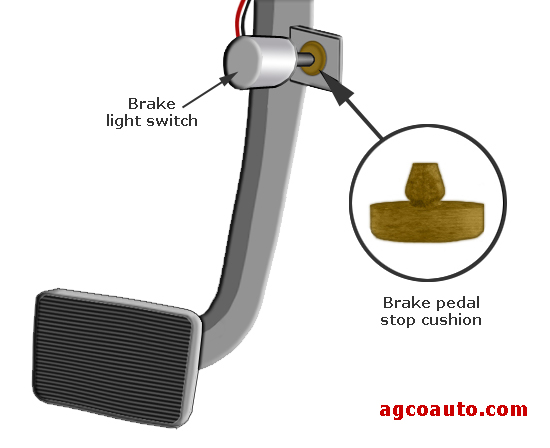
If your rear brake lights stay on, the problem is usually with the brake pedal switch or a stuck pedal, not the same as the dashboard warning light.
Non-obvious Insights Most Drivers Miss
Even experienced drivers sometimes overlook a few key details about the brake warning light.
Brake Fluid Drops As Pads Wear
It’s normal for the brake fluid level to slowly drop as your brake pads wear down. As the pads get thinner, the pistons in the calipers move out more, which lowers the fluid in the reservoir. This doesn’t mean you have a leak, but if the drop is large or sudden, check for problems.
Moisture In Brake Fluid
Brake fluid is hygroscopic—it absorbs moisture from the air over time. Water in the fluid lowers its boiling point and can cause the warning light to come on, especially after heavy braking or on humid days. Regular fluid replacement (every 2–3 years) helps prevent this.
What If The Brake Light Comes On While Driving?
If the brake warning light comes on while you’re driving, don’t panic. Here’s what to do:
- Pull over safely: Find a safe place to stop as soon as possible.
- Check the parking brake: Make sure it’s fully released.
- Check the fluid level: If it’s low, add fluid if you have some.
- Press the brake pedal: If it feels soft, spongy, or sinks, do not keep driving.
- Call for help: If you cannot find or fix the problem, call for a tow.
Preventing Brake Light Problems
You can avoid most brake light issues with regular maintenance:
- Check brake fluid every month
- Inspect pads and rotors every 10,000 miles
- Replace brake fluid every 2–3 years
- Have the system checked if you notice leaks or changes in pedal feel
- Listen for unusual noises and act quickly
When It’s Safe To Drive And When It’s Not
It’s sometimes okay to drive a short distance with the brake warning light on, but only if:
- The fluid level is just a little low (and you top it up)
- The parking brake was slightly on, and now it’s off
- The pedal feels normal and brakes work as usual
Never drive if:
- The fluid drops again after topping up
- The pedal feels soft or goes to the floor
- The brakes make grinding noises
- You see fluid leaks
If in doubt, always choose safety. Brakes are not something to gamble with.
How Mechanics Diagnose Brake Warning Lights
Professional mechanics use several methods to find the cause:
- Visual inspection: Checking the reservoir, pads, lines, and for leaks.
- Scan tools: Reading trouble codes from the car’s computer.
- Pressure tests: Checking for leaks or failing components.
- Road test: Feeling for changes in pedal effort or braking power.
Their experience allows them to spot hidden issues that most drivers miss. If you’re unsure, it’s worth getting a professional opinion.
Cost To Fix A Brake Warning Light
The cost to fix a brake warning light depends on the cause:
- Topping up brake fluid: $10–$20
- New brake pads: $100–$300 per axle
- Brake fluid sensor: $30–$80
- Parking brake switch: $20–$70
- Brake line or master cylinder repair: $150–$500
- Brake booster replacement: $300–$700
These are average numbers. Luxury or imported cars may be more expensive. Always get a quote before agreeing to repairs.
Why Ignoring The Brake Light Can Cost You More
Many people hope the light will go away on its own. This rarely happens. Ignoring the warning can lead to:
- More expensive repairs: Small leaks become big ones, worn pads ruin rotors, etc.
- Accidents: Reduced braking power increases crash risk.
- Failed inspections: Many areas require working brakes for registration.
- Insurance issues: Claims may be denied if you drove with known brake problems.
Prompt action saves money and protects you.
Differences Between Older And Newer Cars
Brake warning lights work a little differently depending on your car’s age.
- Older cars (before 2000): Simpler systems, usually just a parking brake or fluid sensor.
- Newer cars (after 2000): More sensors, can detect pad wear, ABS problems, and more.
- Luxury or advanced cars: May even warn about individual wheels or electronic parking brakes.
Always check your owner’s manual for details on your specific car.
Two Mistakes Many Drivers Make
Even careful drivers sometimes make these errors:
- Adding the wrong fluid: Using the wrong type can damage seals and sensors. Always check the cap or manual.
- Ignoring small leaks: Even tiny drips can lead to sudden failure. If you need to add fluid more than once, get it checked.

Credit: ultrabrightlightz.com
How Brake Systems Work: The Basics
A basic understanding of how brakes work can help you spot problems early.
- Brake pedal: You press this to start braking.
- Master cylinder: Turns pedal force into hydraulic pressure.
- Brake lines: Carry fluid to each wheel.
- Calipers and wheel cylinders: Use pressure to move pads or shoes.
- Pads/shoes: Press against rotors or drums to stop the car.
If any part leaks or fails, the system loses pressure, and the warning light comes on.
The Role Of Sensors In Modern Brake Systems
Many new cars use sensors to monitor the health of the brake system. These include:
- Fluid level sensors
- Pad wear sensors
- Pressure sensors
- ABS sensors
These sensors help catch problems early but can sometimes fail themselves, causing false warnings.

Credit: www.youtube.com
What To Tell Your Mechanic
If you need to take your car in for a brake light issue, giving clear information helps:
- When did the light come on?
- Was it after repairs or an impact?
- Does the pedal feel different?
- Any noises or leaks?
- Do other lights come on?
The more detail you give, the faster they can find the problem.
Real-life Case Studies
Case Study 1: The Forgotten Parking Brake
A driver noticed the brake warning light was always on after parking on a hill. The cause? The parking brake lever was not fully down. Pushing it down firmly fixed the problem.
Case Study 2: The Mystery Leak
A car owner saw the light come on even after topping up fluid. A closer look found a small leak at the rear wheel cylinder. Repairing the cylinder and bleeding the brakes solved the issue.
Case Study 3: After Brake Pad Change
After new pads were installed, the light stayed on. The mechanic had forgotten to reconnect the fluid sensor wire. Plugging it back in fixed the issue.
These examples show that sometimes the fix is simple, but it always pays to check.
Where To Find More Information
For more details on how brake systems work and advanced diagnostics, you can visit trusted sources like the Wikipedia Brake System page.
Frequently Asked Questions
Why Does My Brake Warning Light Come On Only When Turning?
This usually means the brake fluid is right at the minimum level. When you turn, the fluid moves in the reservoir and briefly triggers the sensor. Top up the fluid and check for leaks.
Can I Reset The Brake Light Myself After Fixing The Problem?
In many cars, the light will go off automatically after the issue is fixed. In some cases (like ABS-related problems), you may need to clear codes with a scan tool.
Why Do Both My Brake And Abs Lights Come On Together?
This often means a shared problem, such as a failed wheel speed sensor or a major hydraulic issue. Get the system scanned for codes to find the exact cause.
Is It Safe To Drive With The Brake Warning Light On If Brakes Feel Normal?
It might be safe for a short distance if the pedal feels normal and there are no leaks. But you should check the system as soon as possible, as a hidden problem can get worse quickly.
How Often Should I Check My Brake Fluid?
Check it at least once a month, and always before long trips. If you notice drops in the level, look for leaks or worn pads.
A brake warning light is never something to ignore. With the right knowledge and quick action, you can stay safe and avoid costly repairs. Regular checks and maintenance will keep your car’s most important safety system working its best.