Playing loud music in a car is something many people enjoy. It can make a long drive feel shorter and bring energy to your journey. But have you ever wondered if it’s actually illegal to play loud music in a car? The answer is not as simple as “yes” or “no.” Laws about loud music in cars change depending on where you live, and the reasons behind these laws can surprise you. In this article, we’ll look at how the rules work, why they exist, and what could happen if you break them. You’ll learn about noise laws, how police measure loudness, and what counts as “too loud.” We’ll also explain some common mistakes and answer questions you might have. By the end, you’ll know how to enjoy music in your car without risking fines or upsetting those around you.
What Does “loud Music” Mean Legally?
Before you worry about breaking the law, it’s important to understand what “loud music” means legally. Most places don’t set a fixed decibel level for music played inside your car. Instead, laws focus on whether the sound is disturbing others or can be heard from a certain distance.
Some cities or states use rules like:
- Music that can be heard 50 feet away from the car
- Music that disturbs peace and quiet of others
- Music that disrupts public order
For example, in Florida, it’s illegal to play music that can be “plainly audible” at 25 feet or more from your vehicle. In California, police can ticket you if your music “disturbs the peace.” These descriptions are subjective, meaning the officer decides if your music is too loud.
A key detail many people miss is that “plainly audible” doesn’t only mean volume. It can also mean clarity—if lyrics or melody are clear from a distance, you might be breaking the law. In some cases, even if the music isn’t very loud but has deep bass or repetitive beats, it can trigger complaints.
This is especially true late at night when outside sounds are quieter and music stands out more.
Some cities add special rules for areas near schools, hospitals, or elderly care homes. In these places, the threshold for “too loud” is much lower, and police may respond faster to complaints.
How Do Police Measure Loudness?
Many people think police use decibel meters to measure loud music in cars. In reality, most traffic stops are based on what the officer hears. Some cities do use decibel meters for strict enforcement, especially in areas with frequent noise complaints. But usually, the decision comes down to:
- How far away the music can be heard
- Whether the music interferes with public spaces, schools, hospitals, or residential areas
Police will often stop drivers if:
- The music is so loud that it shakes windows or can be heard over traffic
- The driver’s windows are vibrating
- People on the sidewalk react to the sound
It’s important to know that some police departments train officers to recognize certain types of sounds, like heavy bass, which travels farther and can disturb people more than other frequencies. In some cases, officers may use their own judgment, which can lead to inconsistent enforcement.
If you’re pulled over, the officer may ask you to turn down the music, issue a warning, or write a ticket.
Decibel Limits: Do They Exist?
Some states and cities set maximum decibel levels for cars. Here are examples:
| State/City | Max Decibel Limit | Measurement Distance |
|---|---|---|
| New York City | 80 dB (day) | 15 feet |
| Los Angeles | 75 dB (night) | From property line |
| Miami | Plainly audible at 25 feet | 25 feet |
These numbers are not universal. If you travel from one city to another, the rules may change.
A detail often missed: decibel limits can vary by time of day. For example, limits may be higher during the day and lower at night when people are trying to sleep. Also, some cities have “quiet zones,” such as near hospitals or schools, where enforcement is stricter.

Credit: www.wusf.org
Why Do Laws About Loud Car Music Exist?
Laws about loud music in cars aren’t just there to spoil your fun. They serve several purposes:
- Protecting public health: Loud noises can cause stress, headaches, and hearing loss.
- Reducing distractions: Loud music can make it harder for drivers to hear sirens, horns, or warnings.
- Preventing disturbances: Music played too loud can disturb neighbors, schools, or hospitals.
- Stopping unsafe driving: Sometimes, drivers play music so loud that they can’t focus on the road.
Another reason: noise complaints are one of the most common calls to local police. Cities and towns respond to these complaints to keep residents happy and safe. The laws also help protect vulnerable groups, such as babies, elderly people, and patients in hospitals, who may suffer more from loud sounds.
Noise Pollution: The Bigger Picture
Noise pollution is a serious issue. According to the World Health Organization, exposure to loud sounds can cause:
- Sleep problems
- High blood pressure
- Hearing damage
- Lower productivity
In the United States, the Environmental Protection Agency says sounds above 70 decibels can be harmful with long exposure. Car music can easily reach over 100 decibels if the windows are down and the volume is high.
What many don’t realize is that noise pollution affects not only people, but also animals. Loud music near parks or nature reserves can disturb birds and wildlife, affecting their health and behavior. Cities with dense populations see higher rates of stress and sleep disorders linked to noise.
Common Laws And Penalties In The U.s.
Each state has its own approach, but most have similar rules. Here are some common legal limits and penalties:
Typical Laws
- Plainly Audible Rule: Music that can be clearly heard from a set distance (often 25-50 feet) is illegal.
- Disturbing the Peace: Playing music that disrupts quiet areas can lead to fines.
- Safety Interference: If loud music prevents a driver from hearing emergency vehicles, it’s considered dangerous.
Some states also have “repeat offender” laws, where penalties increase with each ticket. For example, a second offense may double the fine, and a third could require a court appearance.
Penalties
- Fines: Usually between $50 and $250 for first offenses.
- Court Appearance: Sometimes required, especially for repeat offenders.
- Vehicle Impoundment: Rare, but possible for extreme cases.
- Points on License: In some states, noise offenses add points to your driving record.
Here’s a comparison of penalties across three states:
| State | First Offense Fine | Repeat Offense | Other Consequences |
|---|---|---|---|
| Florida | $60 | $100+ | Possible court appearance |
| Texas | $200 | $500+ | Points on license |
| California | $114 | $214+ | Impoundment for extreme cases |
A non-obvious insight: Some cities allow neighbors to report noise anonymously, which can lead to tickets even if police don’t witness the offense directly. Many drivers are surprised when they receive a fine in the mail due to such reports.
Real-life Examples And Cases
You might think these laws are rarely enforced, but there are many examples of drivers getting fined for loud music.
- In Miami, police gave over 3,000 tickets in one year for loud car music.
- In New York, a driver was fined $150 after neighbors complained his car music woke them up at 2 a.m.
- In Los Angeles, a group of teenagers had their car impounded after repeated complaints from a local hospital.
These cases show that enforcement is real, especially in busy urban areas.
Some cities have special patrols during weekends and holidays to target loud music, especially near beaches or event venues. In small towns, local officers may focus on loud music more during festivals or late-night gatherings, when disturbances are more likely.
Unusual Cases: What Beginners Miss
Many drivers don’t realize:
- Even parked cars can get tickets if music is loud and disturbing.
- Having windows open increases the chance of being stopped.
- Police often act after public complaints, not just their own observations.
Another mistake is thinking tinted windows or parking in a private lot will protect you. If the sound escapes and disturbs others, police can still issue a ticket.
How Loud Is Too Loud? Practical Guidance
Knowing the legal limits is helpful, but understanding practical boundaries is even better.
Signs Your Music Is Too Loud
- People outside your car are staring or reacting.
- You can’t hear sirens, horns, or your own engine.
- The music is “felt” through vibrations, not just heard.
- You see police cars watching or following you.
A practical tip: try parking and walking a few feet away from your car while the music plays. If you can clearly hear the song or bass, it’s probably too loud for legal comfort.
Safe Volume Levels
Most experts suggest keeping music at a level where:
- You can talk to passengers without shouting.
- You hear outside sounds easily.
- The music doesn’t “spill” outside your vehicle.
If you’re unsure, turn the volume down before entering residential areas or near hospitals and schools.
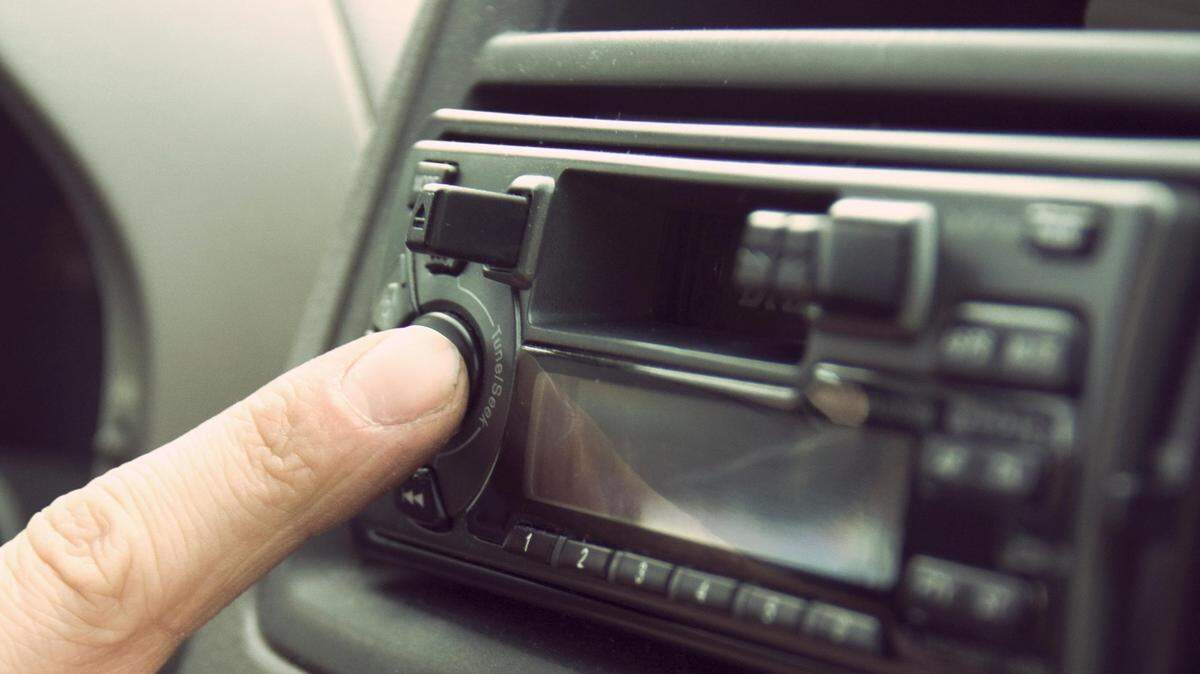
Another tip: Most modern car stereos have a volume indicator. If you stay below halfway on the scale, you’re usually safe. Some cars have “sound zones” features that focus music inside the vehicle and reduce leaks. Using these can help avoid fines.
Credit: www.macon.com
International Laws: How Other Countries Treat Loud Car Music
Loud music laws aren’t just an American concern. Many countries have similar rules.
| Country | Law Description | Penalties |
|---|---|---|
| United Kingdom | Music causing “annoyance” is illegal | £100 fine |
| Australia | Music audible outside car is prohibited | $200 fine |
| India | Noise pollution laws (over 90 dB) | ₹1000 fine |
Some places are stricter. In Singapore, penalties can include heavy fines and even jail time for repeated noise offenses.
In Germany, laws focus on “traffic safety. ” If loud music distracts the driver or prevents hearing emergency vehicles, fines can reach €500. In South Africa, music that causes a “nuisance” can result in both fines and community service.
Common Mistakes When Playing Music In Cars
Many drivers break noise laws without realizing it. Here are mistakes to avoid:
- Windows Down with Loud Music: Sound escapes easily, making it more likely to attract attention.
- Stopping Near Sensitive Areas: Hospitals, schools, and churches have stricter rules.
- Ignoring Local Laws: Each city or state may have unique limits.
- Playing Music at Night: Laws are often stricter after 10 p.m.
- Assuming It’s Okay in Traffic: Even if cars are noisy, your music can still violate laws.
Another mistake is blasting music at drive-throughs or gas stations. These are often near residential or business zones, where complaints are common.

Credit: www.thewindscreenco.co.uk
What To Do If You’re Stopped For Loud Music
If police stop you for loud music, stay calm. Here are steps to follow:
- Turn down the music immediately.
- Be polite. Arguing rarely helps.
- Ask about the local law. If you don’t know the rule, ask for clarification.
- Don’t admit guilt. Simply listen and cooperate.
- Check your ticket. Make sure you understand the fine and any steps to contest it.
If you feel the ticket is unfair, you can usually challenge it in court. Bring evidence, such as recordings or witness statements, if possible.
A non-obvious tip: If you receive a warning instead of a ticket, ask the officer if there are specific volume guidelines to follow. This can help you avoid trouble in the future.
How To Avoid Breaking Loud Music Laws
Staying safe from fines is easier than you might think. Try these tips:
- Know local laws before playing music in unfamiliar areas.
- Keep windows closed if you like higher volumes.
- Reduce volume near hospitals, schools, and residential areas.
- Limit bass: Deep bass travels far and is often the reason for complaints.
- Check your car stereo settings: Some systems have a “night mode” or volume limiter.
You can also use apps or portable decibel meters to check your car’s volume. If your system has sound profiles, choose “quiet” or “balanced” modes for city driving.
Technology And Car Audio: How Systems Affect Loudness
Modern car audio systems are powerful. Some can produce sound levels above 120 decibels. This is as loud as a rock concert and can cause hearing damage within minutes.
Aftermarket Systems
Installing subwoofers or amplifiers increases risk:
- Bass can travel through walls and windows.
- Police are more likely to notice custom systems.
Some states require permits or have rules about modifications. Always check before upgrading your system.
Another insight: Some aftermarket systems have “bass boost” features that raise low frequencies. These can trigger noise complaints even if the rest of the music isn’t loud.
Factory Systems
Factory stereos are usually safer. They rarely reach dangerous levels unless modified.
If you buy a used car with a custom system, check for hidden amplifiers or speakers. Removing or adjusting them can reduce risk.
Effects Of Loud Music On Driving And Health
Playing loud music isn’t just a legal issue. It can affect your safety and health.
Driving Impact
Studies show:
- Loud music increases reaction time by up to 20%.
- Drivers are more likely to miss traffic signals or warning sounds.
- Distraction risk is higher, especially with unfamiliar songs.
The impact is greater with fast or aggressive music. Calm music may not cause as much distraction, but high volume can still mask important outside sounds.
Health Risks
- Prolonged exposure to loud music can cause tinnitus (ringing in the ears).
- Hearing loss can happen after just 15 minutes at high volumes.
- Stress levels rise, making driving less enjoyable.
Children and teenagers are at higher risk, since their ears are more sensitive. If you drive with young passengers, keep the volume low.
What If You’re A Passenger?
Passengers often encourage drivers to turn up the music. But remember:
- The driver is responsible for any fines.
- Passengers can be asked to leave the vehicle if they cause disturbances.
- In some cases, police will fine both driver and passengers if they refuse to cooperate.
If you’re a passenger, respect the driver’s decision about volume. In some cities, sharing responsibility for noise can lead to higher penalties.
Urban Vs. Rural: Where Are Laws Stricter?
Loud music laws are much stricter in urban areas. Cities have more people, so noise complaints are common. Rural areas may have relaxed enforcement, but this doesn’t mean there are no rules.
- Urban: More police patrols, faster response to complaints, stricter decibel limits.
- Rural: Fewer patrols, but still possible to get fined if disturbing others.
In rural areas, neighbors may settle disputes informally. But if the music is very loud or repeated, local police can still enforce noise laws.
Legal Defenses: Can You Fight A Loud Music Ticket?
If you believe you were unfairly ticketed, there are ways to defend yourself:
- Challenge the officer’s judgment: Was the music really disturbing?
- Show evidence: Video or audio recordings can help.
- Check local ordinances: Some laws are vague or outdated.
- Consult a lawyer: For larger fines or repeated offenses, legal advice can help.
Most judges will consider if you were in a sensitive area or if the officer used proper measurement methods. If the law is unclear, you may win your case.
If you receive a ticket based on a neighbor complaint, ask for details or evidence. Sometimes, tickets are issued without proper proof, and you can contest them.
Non-obvious Insights Most Drivers Miss
- Volume isn’t the only factor: Type of music and bass levels matter. Bass travels further than mid or high frequencies.
- Even parked cars can be ticketed: Many people think only moving cars are at risk, but parked vehicles with loud music can violate noise laws.
- Certain times of day are riskier: Late night and early morning have stricter enforcement, especially near residential zones.
A further insight: Repeated complaints from the same area can lead to “hot spot” enforcement, where police target a location more often. Drivers should be careful in these areas.
Future Trends: Are Laws Getting Stricter?
Cities are becoming more sensitive to noise pollution. New technologies allow police to measure sound more accurately. Some areas are testing automatic noise sensors on streets, which can record and fine drivers without direct police action.
- Smart cameras: Can detect license plates and sound.
- Community apps: Allow residents to report noise quickly.
Expect laws to get stricter as urban populations rise and technology improves.
Some cities are also considering “noise maps,” which show areas with frequent complaints. If you drive through these zones, police may watch more closely.
Frequently Asked Questions
Is It Illegal To Play Music In My Car At Any Volume?
No, it’s not illegal to play music in your car. The problem starts when the volume is high enough to disturb others or violate local noise laws.
What Is The Maximum Legal Volume For Car Music?
Most places don’t set a fixed number. Instead, the law focuses on whether your music is plainly audible from a certain distance or disturbing public peace. Check your city’s rules for details.
Can I Be Fined For Loud Music If My Car Is Parked?
Yes. If your parked car is causing a disturbance, especially near homes or hospitals, police can issue a ticket. It doesn’t matter if the engine is off.
What Happens If I Get Multiple Tickets For Loud Music?
Repeat offenses often lead to higher fines, possible court appearances, and sometimes points on your driver’s license. In rare cases, your car could be impounded.
Where Can I Find My City’s Noise Law For Cars?
Visit your city’s official website or check resources like this EPA Noise Control page. Laws are often listed under “vehicle noise” or “disturbing the peace.”
Playing loud music in your car can be fun, but it’s important to respect the law and those around you. Noise rules exist to keep communities healthy and safe. If you want to enjoy music on the road, learn your local laws, use common sense, and avoid disturbing others.
Remember, fines and penalties are real, and breaking noise laws can affect your driving record. By following practical tips and staying aware, you can enjoy your tunes without trouble.