Are you wondering how long your winter tires can keep you safe on Canada’s icy roads? Knowing when to replace your winter tires is crucial—not just for your safety, but also to get the best value out of your investment.
If you keep using worn-out tires, you risk losing traction and control when you need it most. But how many seasons or miles can you realistically expect from your winter tires? You’ll discover the factors that affect tire lifespan and smart tips to make your winter tires last longer.
Keep reading to protect yourself and your vehicle throughout those harsh Canadian winters.
Winter Tire Lifespan In Canada
Winter tires in Canada usually last between 4 to 6 seasons. This depends on how much you drive and road conditions. On average, they can cover around 20,000 to 40,000 kilometers before needing replacement.
Each season lasts about 4 to 6 months, covering the coldest parts of the year. Storing tires properly in warmer months helps keep them in good shape.
| Factor | Effect on Tire Life |
|---|---|
| Driving Habits | Aggressive driving wears tires faster. |
| Road Conditions | Rough or salty roads cause more wear. |
| Maintenance | Regular checks and proper inflation extend life. |
| Storage | Cool, dry storage prevents damage during off-season. |
Driving Habits And Tire Wear
Driving style greatly affects how fast winter tires wear out. Aggressive driving, like quick starts and hard stops, causes tires to wear faster. Smooth and steady driving helps tires last longer.
Urban driving often means more stops, turns, and rough roads. This type of driving can wear tires more quickly than rural driving, where roads are smoother and there are fewer stops.
Highway driving usually causes less tire wear. The tires roll steadily at a constant speed. City driving has more traffic lights and turns, which can wear tires faster.
| Driving Condition | Effect on Tire Wear |
|---|---|
| Aggressive Driving | Faster tire wear |
| Smooth Driving | Longer tire life |
| Urban Driving | More wear due to stops and turns |
| Rural Driving | Less wear, smoother roads |
| Highway Driving | Slower wear, steady speeds |
| City Driving | Faster wear, many stops |
Tire Maintenance Tips
Regular inspections help catch wear and damage early. Check tires for cracks, cuts, and uneven tread. Look for stones or debris stuck in the tread. Inspect tires monthly or before long trips.
Proper tire inflation keeps tires working well and lasting longer. Use a tire pressure gauge to check pressure. Inflate tires to the manufacturer’s recommended level. Check pressure when tires are cold, at least once a month.
Rotate tires every 8,000 to 10,000 kilometers. This helps even out tread wear on all tires. Follow the rotation pattern suggested in your car manual. Proper rotation extends tire life and improves safety.
Balancing and alignment improve how your car drives. Balanced tires reduce vibration and uneven wear. Proper alignment keeps tires straight and stable. Have these checked during regular maintenance visits.

Credit: www.canadadrives.ca
Storage And Off-season Care
Store winter tires in a cool, dry, and dark place. Avoid spots with direct sunlight or heat sources. Keep tires off the ground to prevent flat spots. Use tire racks or place tires on wooden pallets.
Clean tires thoroughly before storing. Remove dirt, salt, and brake dust using mild soap and water. Dry tires completely to stop mold and rust on rims. Clean tires last longer and stay safe.
Avoid premature aging by keeping tires away from ozone sources, like electric motors and fluorescent lights. Do not stack tires for long periods; it can cause deformities. Check tires regularly during storage to catch any damage early.
Signs To Replace Winter Tires
Tread depth indicators show when tires need replacing. These small bars appear in tire grooves. When the tread wears down to these bars, traction drops and tires become unsafe.
Cracking and dry rot happen when tires age or face harsh weather. Look for small cracks on sidewalls or between treads. These cracks can cause tire failure and reduce grip on snowy roads.
Uneven wear patterns suggest tire problems or poor alignment. Check for bald spots or uneven tread. Such wear can reduce handling and increase the risk of slipping on ice.

Credit: www.canadadrives.ca
Choosing Quality Winter Tires
Premium winter tires often use advanced rubber compounds. This helps them stay flexible in very cold temperatures. Budget tires may harden faster and lose grip sooner.
Good winter tires have special tread patterns that push snow and water away. Premium brands often invest more in new technology to improve safety and performance.
| Feature | Premium Tires | Budget Tires |
|---|---|---|
| Tire Material | Advanced rubber compounds | Standard rubber |
| Technology | Innovative tread designs | Basic tread designs |
| Brand Reputation | Well-known, trusted brands | Less known brands |
| Longevity | Lasts 5-6 seasons | Lasts 3-4 seasons |
Choosing a tire from a trusted brand often means better quality. Brands with good reputations usually have more testing and customer support.
Seasonal Transition Considerations
Using winter tires all year can cause faster wear and less grip. They are made for cold weather and snow. Warm roads make them wear out quickly. This can be unsafe and costly.
Many drivers switch to all-season tires in spring. These tires work well in warm and mild conditions. They last longer on dry roads and save money in the long run.
| Province | Winter Tire Law | Time Frame |
|---|---|---|
| Quebec | Winter tires mandatory | Dec 1 to Mar 15 |
| Ontario | No law but recommended | Winter months |
| British Columbia | Chains or winter tires on some routes | Oct 1 to Apr 30 |
Each province may have different rules. Check local laws before driving with winter tires.
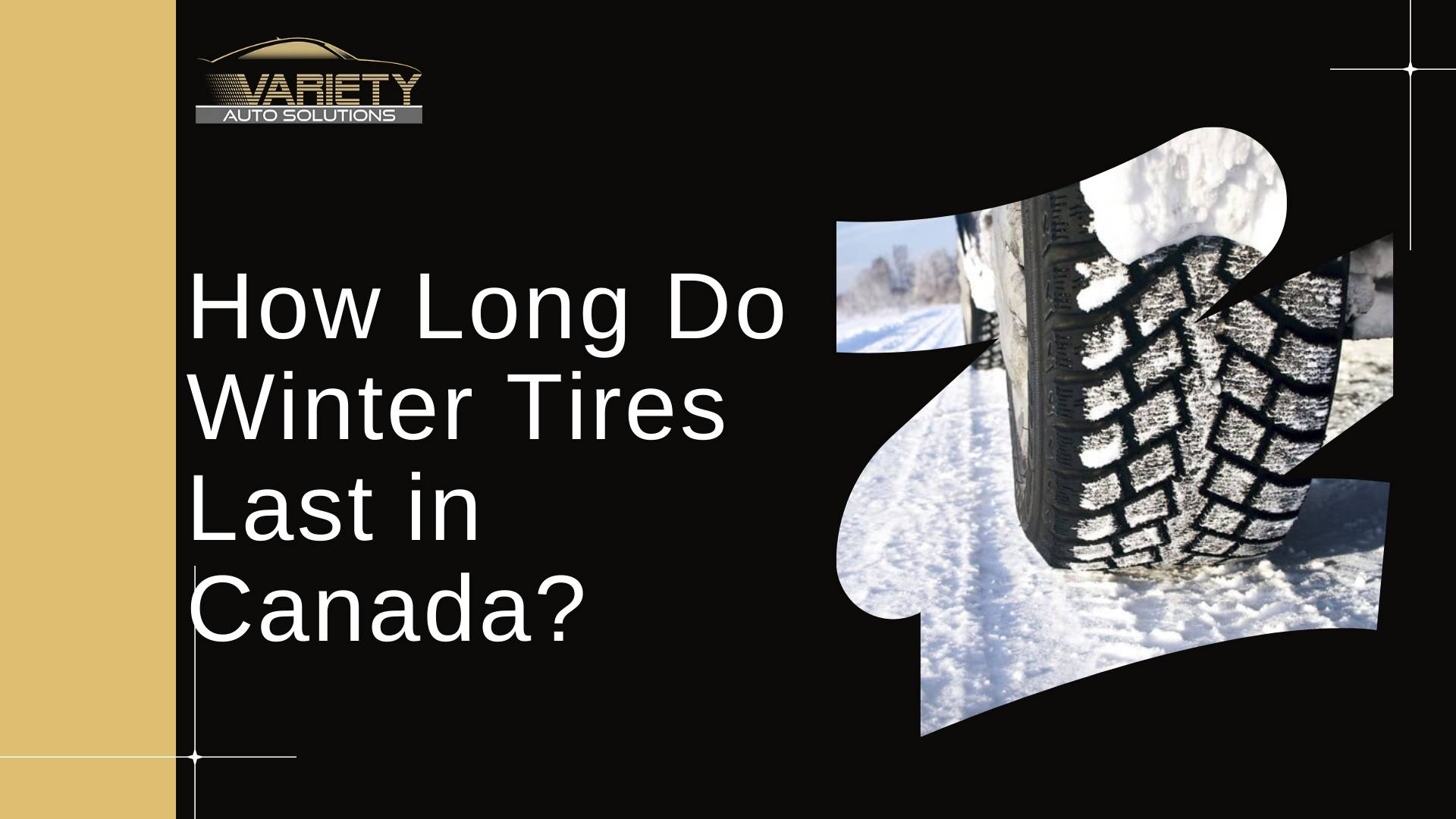
Credit: varietyautosolutions.ca
Frequently Asked Questions
How Long Can Winter Tires Last In Canada?
Winter tires in Canada typically last five to six seasons, depending on driving habits and proper maintenance. Regular inspections extend their lifespan.
What Is The 7’7 Rule For Winter Tires?
The 7’7 rule for winter tires means maintaining at least 7/32 inch tread depth for safe winter driving. Replace tires below this depth.
How Many Miles Do Winter Tires Typically Last?
Winter tires typically last between 25,000 and 40,000 miles. Proper maintenance and driving habits can extend their lifespan. Replace them after five to six seasons for optimal safety and performance.
Are 10 Year Old Snow Tires Still Good?
Ten-year-old snow tires are generally unsafe due to rubber degradation. Replace them to ensure optimal winter traction and safety.
Conclusion
Winter tires in Canada usually last five to six seasons. Proper care and storage help extend their life. Check tread depth and tire condition regularly. Replace tires once they show significant wear or damage. Good maintenance keeps you safe on icy roads.
Remember, winter tires perform best in cold weather. Using them only during winter months saves wear. Stay alert to changing road conditions each season. This way, your winter tires will serve you well.