A car parked under the hot sun can feel like an oven. In winter, frost and ice on the windscreen can slow you down in the morning. Many drivers try towels or cardboard, but these quick fixes often fail. That’s why a double sided car windscreen shield has become a smart accessory for all seasons. Whether you want to keep your car cool in summer or protect it from frost in winter, this shield can make a big difference.
But using it properly is important. Many people don’t realize that a poorly placed shield can slide down, or that the wrong size can leave gaps. There are also small steps for storage and cleaning that most guides miss. This article will help you understand how to get the most out of your double sided windscreen shield, from choosing the right one to using it effectively every day.
What Is A Double Sided Car Windscreen Shield?
A double sided car windscreen shield is a protective cover designed for your car’s front window. Unlike basic sunshades or single-layer covers, it has two different surfaces—each made for a specific weather condition.
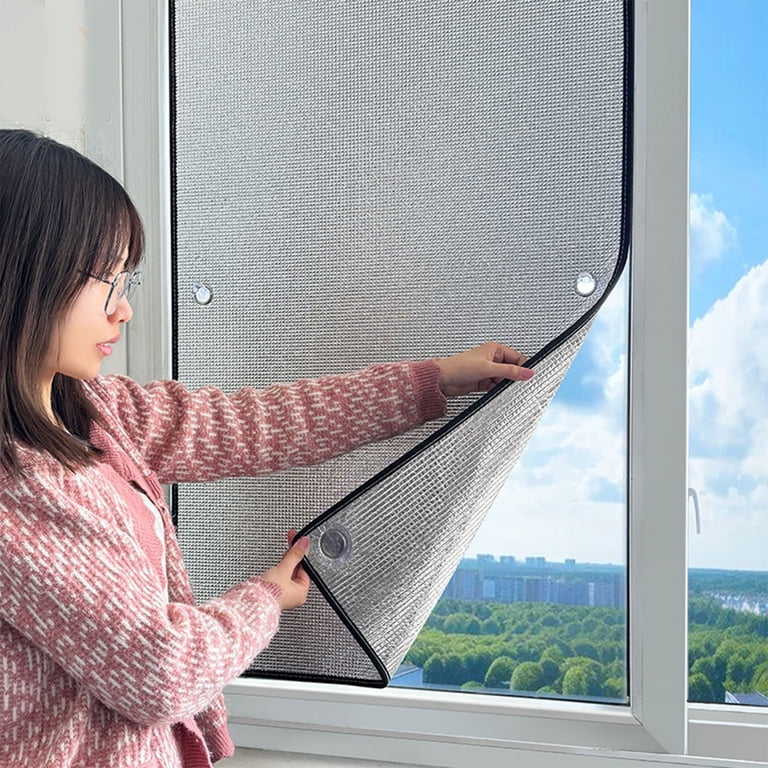
One side is usually reflective (often silver or metallic) to block sunlight and heat. The other side is often darker or made from insulating material to protect against frost, snow, or ice. This means you can flip the shield depending on the season.
Key Features
- Dual function: Use one side for summer, the other for winter.
- Easy placement: Designed to fit inside or outside the windscreen.
- Reusable: Most are made from durable, weather-resistant materials.
- Simple storage: Folds or rolls up for easy keeping.
Common Materials
Most double sided shields use a mix of aluminum foil, foam insulation, and polyester fabric. This combination helps with both heat reflection and frost prevention.
Types Of Double Sided Shields
There are several designs:
- Foldable shields: Collapse like an accordion for storage.
- Roll-up shields: Roll into a tube shape.
- Magnetic shields: Attach to the car with built-in magnets for outdoor use.
- Elastic edge shields: Fit snugly with elastic bands or straps.
Each type has its own pros and cons, which we’ll compare in detail.
Why Use A Double Sided Windscreen Shield?
Many drivers think any sunshade is enough. But a double sided shield goes further by offering protection in both hot and cold weather.
Benefits In Summer
- Reduces heat: Reflects up to 70% of sunlight, keeping the car much cooler.
- Protects interior: Stops UV rays from fading your dashboard or seats.
- Saves energy: Less need for air conditioning, which can lower fuel use.
Benefits In Winter
- Prevents frost: Blocks ice and snow from sticking to the windscreen.
- Saves time: No need to scrape ice in the morning.
- Protects glass: Reduces risk of glass cracking from sudden temperature changes.
Year-round Value
Using the right shield can extend your car’s lifespan and make daily driving more comfortable.
Data On Effectiveness
A study by the National Renewable Energy Laboratory found that reflective windscreen shields can lower car interior temperature by up to 16°C (28°F) compared to cars without any shield. In winter, tests show shields can reduce ice buildup by up to 90%.
Choosing The Right Double Sided Windscreen Shield
Not all shields are the same. Picking the wrong one can mean poor coverage or a short product life. Here’s how to choose wisely.
Size Matters
Measure your windscreen before buying. Most shields come in different sizes:
| Car Type | Typical Windscreen Width (cm) | Recommended Shield Size (cm) |
|---|---|---|
| Compact Car | 110–125 | 120 × 60 |
| Sedan | 125–145 | 140 × 70 |
| SUV/Truck | 145–170 | 160 × 90 |
If your shield is too small, sunlight or frost can get through the gaps. Too large, and it won’t fit properly.
Material Quality
Look for:
- Thick insulation: At least 3–5 mm foam layer.
- Durable stitching: Reinforced edges last longer.
- UV coating: Stops fading and cracking.
Cheap, thin shields may only last one season.
Attachment Method
- Inside mount: Usually uses sun visors, suction cups, or elastic bands.
- Outside mount: May use magnets, straps, or door flaps.
If you live in a windy area, pick a shield with strong fixing options.
Portability
Ask yourself:
- Will you store it in the car?
- Do you want a shield that folds or rolls up?
- How much trunk space do you have?
Special Features
Some shields offer:
- Anti-theft tabs: Extra flaps that close in your car door.
- Side mirror covers: For full protection in winter.
- Custom designs: Logos or fun patterns.
Price Vs. Value
A good double sided shield can cost $15–$40. Higher prices often mean better materials and longer life. Avoid very cheap options—they often tear or lose reflectivity quickly.
How To Use A Double Sided Car Windscreen Shield: Step-by-step
Using your shield the right way will give you the best results. Here’s a clear guide for both summer and winter use.
Step 1: Know Which Side To Use
- Reflective side (usually silver): Faces out in summer to block sunlight and heat.
- Black or insulated side: Faces out in winter to prevent frost and ice.
Check the label or manual if you’re not sure which side is which.
Step 2: Clean Your Windscreen
Before using the shield for the first time:
- Wipe away dust or dirt.
- Remove any objects from the dashboard.
This helps the shield fit snugly and prevents scratches.
Step 3: Position The Shield
For Inside-mounted Shields
- Open the shield fully.
- Place it against the inside of the windscreen with the correct side facing out.
- Push the top edge under your sun visors to hold it in place.
- Adjust the sides so there are no gaps.
For Outside-mounted Shields
- Open the car doors slightly.
- Spread the shield over the outside of the windscreen.
- If there are flaps, close them in the doors for extra security.
- Attach magnets or straps if included.
- Smooth out wrinkles to cover the glass completely.
Step 4: Secure The Shield
- Use sun visors, suction cups, or straps.
- Make sure the shield does not move when you close the doors.
A loose shield can blow away or slide down, which reduces protection.
Step 5: Remove The Shield
- For inside shields, just fold or roll and store.
- For outside shields, brush off any snow or debris first.
- Shake off moisture or wipe dry before storing.
Step 6: Store Properly
- Fold or roll as designed.
- Keep in a dry spot, such as the seat pocket or trunk.
- Avoid storing it wet, which can cause mold or odors.
Real-world Example
Sam, a driver in Toronto, uses a double sided shield year-round. In summer, he parks under the sun with the reflective side out and finds his steering wheel is cool to the touch. In winter, the black side faces out and he never needs to scrape ice.
He stores the shield in his trunk and says it takes only 30 seconds to set up.
Comparing Double Sided Shields Vs. Single Sided Shields
Many people ask if a double sided model is really better. Here’s a quick comparison:
| Feature | Double Sided Shield | Single Sided Shield |
|---|---|---|
| Seasonal Use | Summer & Winter | Mainly Summer |
| Durability | Higher | Lower |
| Price Range | $15–$40 | $5–$20 |
| Effectiveness | Heat & Frost Protection | Mostly Heat |
| Portability | Slightly Bulkier | Very Compact |
If you live where both hot summers and cold winters are common, a double sided shield is the better investment.
Tips For Maximum Effectiveness
Getting the most out of your windscreen shield is about more than just putting it in place.
1. Fit Is Everything
A shield that’s too small or big won’t work well. Always measure your windscreen and buy the right size.
2. Clean Regularly
Dust and dirt can reduce reflectivity and allow frost to stick. Clean both the windscreen and shield at least once a month.
3. Check For Damage
Small tears or broken magnets can reduce protection. Inspect your shield at the start of each season.
4. Avoid Wet Storage
Storing a wet shield can create bad smells and even mold. Let it dry before packing away.
5. Use Side Mirror Covers
If your shield comes with side mirror covers, use them in winter. This protects mirrors from ice and snow.
6. Secure In High Winds
If you park outdoors in a windy place, make sure to use all fixing points (magnets, straps, or flaps). An unsecured shield can blow away.
7. Pair With Rear Window Covers
For full protection, consider using a rear window cover as well. This stops sunlight or frost from affecting the back of your car.
8. Don’t Leave On While Driving
Never drive with the shield in place. It blocks vision and is unsafe.
9. Replace When Worn Out
A faded or torn shield won’t protect well. Replace every 2–3 years or sooner if needed.
10. Use With Other Accessories
Combine with seat covers, steering wheel covers, or dash protectors for even more protection.
Common Mistakes And How To Avoid Them
Even experienced drivers make errors when using windscreen shields. Here are mistakes to watch for:
Not Securing The Shield
If you forget to use sun visors, suction cups, or door flaps, the shield can move or fall, letting in heat or frost.
Using The Wrong Side
Always check which side should face out. In summer, the reflective side goes out. In winter, the dark/insulated side faces out.
Picking The Wrong Size
A shield that’s too small leaves gaps, while one that’s too big won’t fit flat against the glass.
Leaving The Shield Wet
Moisture trapped in a folded shield can lead to bad smells and even damage the material.
Not Cleaning The Windscreen
Dirt and dust can cause the shield to slip or not stick well, especially with suction cups.
Forgetting To Remove In The Morning
Driving with the shield in place is not just dangerous—it’s illegal in most places.
Care And Maintenance
A well-cared-for shield lasts longer and works better. Here’s how to keep yours in top shape:
Cleaning
- Wipe both sides with a damp cloth and mild soap.
- Let it air dry before folding.
- Avoid harsh chemicals that can damage the reflective layer.
Storage
- Store in a cool, dry place.
- Don’t leave in direct sunlight for long periods when not in use (this can fade the material).
Repair
- Small tears can be fixed with weatherproof tape.
- Replace suction cups or magnets if they stop working.
Replacement
If your shield shows signs of cracking, faded reflectivity, or doesn’t fit well anymore, it’s time for a new one.
Frequently Overlooked Details
Here are a few non-obvious insights that even experienced users sometimes miss:
Shield Orientation Changes With Season
Some drivers forget to flip the shield when seasons change. Always double-check which side is facing out at the start of summer or winter.
Interior Temperature Drops Faster With Slightly Open Windows
On very hot days, cracking your windows just a little (while using the shield) can lower car temperature even more. Just be sure it’s safe to do so.
Outside-mounted Shields Offer Better Frost Protection
While inside shields are easier for summer, outside shields do a better job stopping frost in winter because they block moisture before it touches the glass.
Environmental Impact
Using a double sided shield does more than protect your car. It also:
- Reduces need for air conditioning, lowering fuel use and emissions.
- Extends the life of your car interior, reducing waste.
If you want to lower your carbon footprint, a good shield is a smart, simple choice.

Credit: www.amazon.com
Comparing Popular Double Sided Shield Brands
Choosing a brand can be confusing. Here’s a quick look at three popular options:
| Brand | Material Quality | Price Range (USD) | Attachment Method | Special Features |
|---|---|---|---|---|
| EcoShield | Premium, 5mm foam, UV coating | 25–35 | Magnets & Door Flaps | Side mirror covers, anti-theft tabs |
| SunGuard Pro | Thick polyester, 3mm insulation | 18–28 | Elastic edges | Custom sizes, fun patterns |
| FrostBlocker Dual | Reflective foil, reinforced edges | 20–30 | Suction cups, elastic straps | Extra large size available |
Remember, the best shield for you depends on your car size, climate, and how you plan to use it.
Real-life User Experiences
Hearing from other drivers can help you make a better choice.
- Maria (Chicago): “I used to spend 10 minutes scraping ice every morning. With my double sided shield, I just pull it off and drive away.”
- James (Phoenix): “After work, my car used to feel like a sauna. Now, with the reflective side facing out, my seats and steering wheel are cool.”
- Ayesha (London): “I bought a cheap shield first, but it tore after one winter. My new, thicker shield is much better and doesn’t let frost through.”
These examples show that investing in a good shield and using it correctly saves time and makes daily driving more comfortable.
Credit: www.walmart.com
Where To Buy A Double Sided Windscreen Shield
Shields are widely available online and in auto stores. For best results:
- Look for brands with strong customer reviews.
- Check return policies in case the size isn’t right.
- Avoid very low prices—they usually mean lower quality.
For more details on materials and effectiveness, you can check resources like the Wikipedia page on sun shades.
Frequently Asked Questions
How Does A Double Sided Windscreen Shield Protect My Car In Winter?
The insulated side faces out in winter, blocking frost, snow, and ice from sticking to your windscreen. This means less scraping and a clear view when you start your day.
Can I Use The Shield On Tinted Windows?
Yes, most shields are safe for tinted windscreens. Always check the product label to be sure it’s compatible with your tint type.
Is A Double Sided Shield Worth The Extra Cost?
Yes, because it works in both summer and winter, lasts longer, and saves you time and energy. Cheaper, single-sided shields often wear out faster and don’t offer frost protection.
Can I Use The Shield On Rear Or Side Windows?
Some brands offer shields for rear and side windows, but standard double sided shields are usually made for the front windscreen. Check your car’s measurements before buying for other windows.
How Do I Clean And Maintain My Shield?
Wipe with a damp cloth and let it air dry. Avoid harsh chemicals. Store in a dry place, and check for damage before each season.
Parking your car doesn’t have to mean stepping into an oven in summer or scraping ice in winter. With the right double sided car windscreen shield, you protect both your comfort and your vehicle. By following these tips and steps, you’ll get the most from your shield year after year.
Credit: www.walmart.com