
Are you wondering how long your winter tires can last if you keep driving on them through the summer months? You might think it’s okay to hold onto them a little longer to save money or avoid the hassle of switching, but using winter tires in warm weather can cause unexpected problems.
From faster wear to reduced safety and poor fuel efficiency, summer heat takes a serious toll on winter tires. You’ll discover exactly how long winter tires last in summer conditions and why switching to the right tires at the right time is crucial for your safety, your wallet, and your vehicle’s performance.
Keep reading to find out how to protect your tires and get the best grip no matter the season.
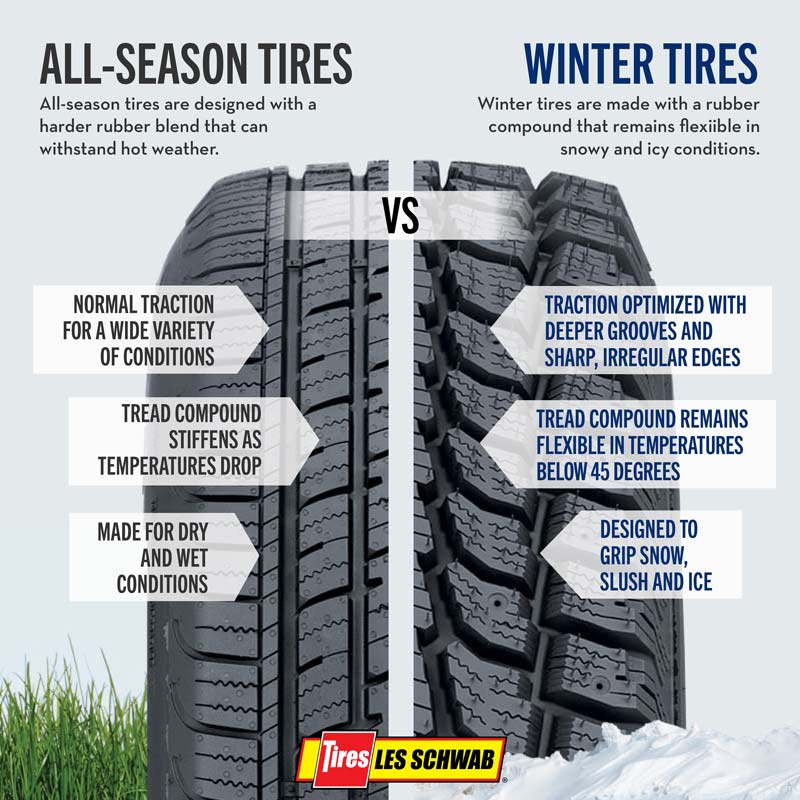
Winter Tire Composition
Winter tires use a soft rubber compound that stays flexible in cold weather. This rubber gets too soft and wears out quickly in hot summer temperatures. The compound is made to grip ice and snow, not hot pavement.
The tread design is also different. Winter tires have deep grooves and many sipes to bite into snow and ice. These features help in winter but reduce stability and increase wear on dry, warm roads.
Because of these differences, winter tires wear down faster and lose grip in summer. Using them in warm weather affects safety and driving control. It is best to switch to summer or all-season tires for warmer months.
Credit: www.lesschwab.com
Summer Impact On Winter Tires
Winter tires wear out faster in summer because their rubber is soft. Hot roads make the tires lose grip quickly. This causes increased wear and the tires become unsafe sooner.
Handling gets worse with winter tires in warm weather. The soft rubber makes it hard to steer well. Braking distance can grow longer, which is dangerous on wet or hot roads.
Fuel efficiency also drops. Winter tires have more rolling resistance. This means the car uses more fuel to move, costing you more money at the pump.
Safety Risks Of Using Winter Tires In Summer
Winter tires are made for cold and snowy roads. Using them in summer causes longer braking distances. This means it takes more time and space to stop your car safely. The soft rubber heats up and gets slippery on hot pavement.
Poor steering response is another risk. The tires do not grip well, making it hard to control the car. Turning or quick moves become less safe.
Grip loss on hot roads is common with winter tires in summer. The rubber wears out fast and loses traction. This can lead to accidents, especially in wet or sharp corners.
Performance Changes In Warm Weather
Winter tires are made for cold weather and snow. Their rubber is soft and stays flexible in the cold. In warm weather, this soft rubber deforms easily. The tire shape can change more when driving fast or making sharp turns. This change causes the tire to lose its grip on the road.
Because of this deformation, control during turns gets worse. The car may feel like it is sliding or slipping. Drivers might need to be more careful and slow down in corners. This can make summer driving less safe with winter tires.
Using winter tires in summer means less stable handling. They do not perform well on hot roads. This risk is why many experts suggest switching to summer or all-season tires when temperatures rise.
Optimal Tire Choices For Summer
All-season tires are good for places with mild weather. They work well in both warm and cool temperatures. These tires last longer on hot roads than winter tires. Their tread designs help keep you safe in light snow and rain. They give better fuel efficiency and smoother rides in summer.
Summer tires are made for hot weather. They have hard rubber that stays strong on hot roads. This makes them last longer and gives you better control on dry and wet streets. Summer tires help you brake faster and steer better in warm weather. They do not work well in cold or snowy places.
| Type of Tire | Best Use | Key Benefits | Drawbacks |
|---|---|---|---|
| All-Season Tires | Mild weather, light snow | Longer life, good fuel use, safe in rain | Not best for heavy snow or very hot days |
| Summer Tires | Warm, dry, and wet roads | Better grip, faster braking, longer life in heat | Poor in cold, snow, or ice |
Timing For Tire Switching
Winter tires wear out quickly in summer because their rubber is soft. Soft rubber grips cold roads but melts on hot pavement. This causes faster tread wear and less safety when driving.
Switching to winter tires depends on temperature and road conditions. Use winter tires when temperatures drop below 45°F (7°C) or when snow is common. Winter tires help with grip on ice and snow.
Return to summer or all-season tires once temperatures rise above 45°F. Signs to switch back include:
- Roads are dry and clear of ice or snow
- Rubber wears faster on hot roads
- Steering feels less responsive
- Fuel efficiency drops
Using the right tires at the right time keeps your car safe and helps tires last longer.
Extending Tire Life
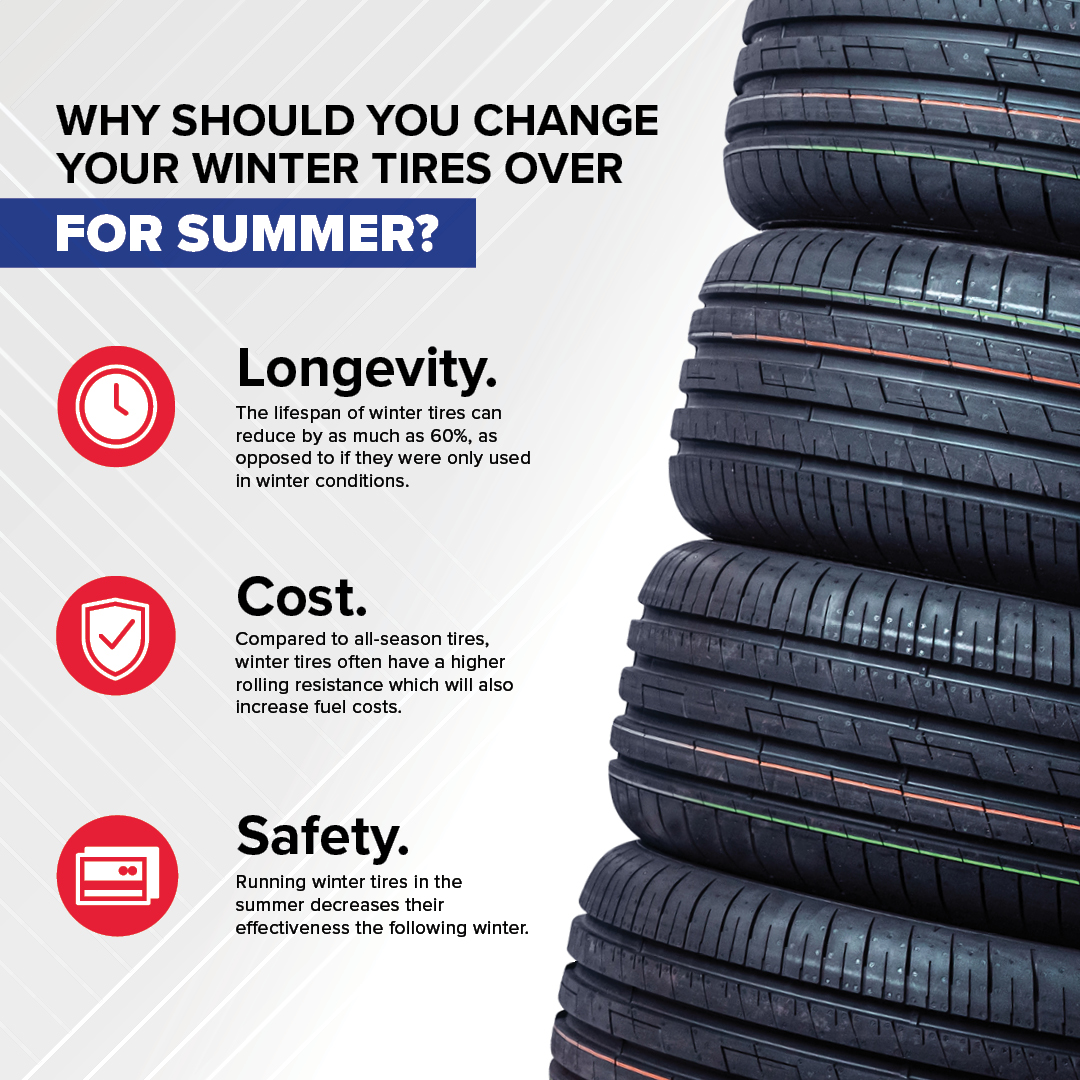
Avoiding premature wear is key to extending winter tire life. Winter tires have a softer rubber that wears out quickly on hot roads. Using them in summer causes the tread to thin fast. This leads to less grip and higher risk of tire damage.
Maintaining vehicle handling is harder with winter tires in warm weather. The soft rubber can make steering feel loose. Braking distance may increase, especially on wet surfaces. Tires might also deform during sharp turns, reducing control and safety.
To protect your tires and drive safely, switch to summer or all-season tires when temperatures rise. This helps your tires last longer and keeps your vehicle stable on the road.
Credit: www.activegreenross.com

Credit: www.cjponyparts.com
Frequently Asked Questions
How Fast Will Winter Tires Wear Out In The Summer?
Winter tires wear out quickly in summer due to their soft rubber. Expect significantly faster tread loss and reduced safety. Avoid using them on hot pavement to preserve tire life and maintain optimal vehicle handling. Switch to summer or all-season tires when temperatures rise consistently.
Is It Okay To Drive With Winter Tires In The Summer?
Driving with winter tires in summer wears them quickly, reduces handling and safety, and lowers fuel efficiency. Use summer or all-season tires instead.
What Is The 7’7 Rule For Winter Tires?
The 7’7 rule for winter tires means switching tires when temperatures stay above 7°C (45°F) for 7 consecutive days. This prevents faster wear and maintains safety.
How Long Do Winter Tires Last?
Winter tires typically last 3 to 5 winter seasons or about 20,000 to 40,000 miles. Proper storage extends their life.
Conclusion
Winter tires wear out quickly in summer heat. Their soft rubber breaks down on hot roads. This reduces safety and handling during warm months. Using winter tires in summer also lowers fuel efficiency. Switching to summer or all-season tires protects your vehicle and wallet.
Change tires when temperatures stay above 45°F consistently. Proper tire choice improves driving comfort and control. Remember, tires designed for the season last longer and perform better. Stay safe by using the right tires at the right time.