Choosing the best RV roof coating requires balancing your specific roof material against the need for a durable, weather-resistant barrier. Ziollo RV Roof Sealant focuses on preventing roof fails, while Countryman 100% Silicone Roof Coating uses a high-solids formula to leave more protective silicone after curing and restores roofs in a single-coat application.
Best overall: Ziollo RV Roof Sealant offers a versatile one-coat solution that works on most common roof materials, including EPDM and fiberglass, while providing a significant temperature drop for your interior.
Best for durability: Henry Tropicool Roof Coat creates a strong chemical bond with the roof surface, specifically engineered to handle intense UV exposure and resist standing water over long periods of time.
Best for simple application: Kohree RV Roof Coating provides a straightforward silicone-based sealant designed for owners who want a reliable, no-fuss product to maintain their roof integrity without complex preparation.
This guide is for RV owners looking to maintain their roof and prevent leaks using silicone-based liquid membranes.
How We Picked
We compared 48 different silicone liquid roof coating listings to identify the most effective options for RV maintenance. To be included, a product had to clearly state its coverage area, compatible roof substrates, and application requirements such as primer needs or coat counts. We excluded any products that lacked clear technical specifications or failed to identify their primary material composition as 100% silicone.
All 10 products side by side — scroll sideways to see every column.
| Top Pick | Best for Ponding Water | Best for Large Projects | Best for Seamless Coverage | Best for High Movement | Best for Flat Roofs | |||||
| Preview |  |  |  |  |  | 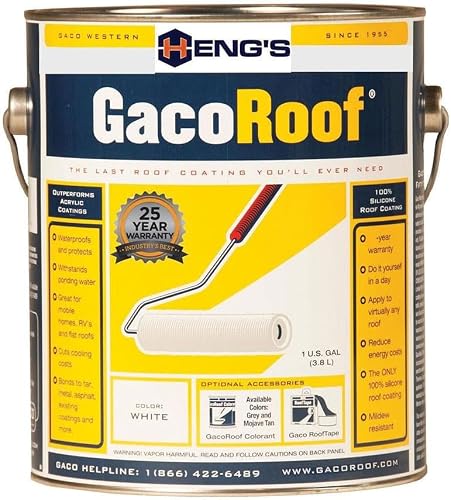 |  |  |  |  |
|---|---|---|---|---|---|---|---|---|---|---|
| Product | Ziollo RV Roof Sealant | Henry Tropicool Roof Coat | 100% Silicone Roof Coating | Kohree RV Roof Coating | 100% Silicone Roof Sealant | Heng's Silicone Roof Coating | Liquid Rubber Silicone Coating | AWF PRO Silicone Coating | Henry Pro Grade 988 | Rust-Oleum 985 Silicone |
| Brand | Ziollo | Henry | Countryman Coatings | Kohree | Marlin Coatings | HENG’S INDUSTRIES | Liquid Rubber | AWF PRO | opclzs | Rust-Oleum |
| Best for | Best Overall | Best for Ponding Water | Best for Large Projects | — | — | Best for Seamless Coverage | Best for High Movement | Best for Flat Roofs | — | — |
| The listing says | 100% silicone sealant for RV roofs Covers 60 sq ft per gallon | 100% silicone moisture cure coating Maintains heat and UV reflectivity | High-solids formula for thicker membrane Resists ponding water and UV exposure | Not stated | 100% silicone resists UV and ponding water Single coat application | 1 gallon container size Silicone coating material | Multi-use roof sealant 237% elongation and UV stable | 100% silicone for flat roofs 96% high-solids formula | Not stated | One coat application 88% reflectivity for energy savings |
| More information | Price on Amazon | Price on Amazon | Price on Amazon | Price on Amazon | Price on Amazon | Price on Amazon | Price on Amazon | Price on Amazon | Price on Amazon | Price on Amazon |
1. Ziollo RV Roof Sealant
Best for: DIY owners needing a versatile, all-in-one roof solution.
This sealant simplifies repairs by creating a 100% silicone waterproof layer in a single coat. It adheres to EPDM, metal, and fiberglass without needing a primer. If your roof is TPO, you must apply a primer first to ensure the coating sticks. Skipping this step on TPO surfaces will lead to adhesion failure.
The self-leveling formula flows across the roof to fill gaps, covering 60 square feet per gallon. A 4-gallon pail provides enough coverage for a standard 30-foot RV. Beyond sealing leaks, the white finish reflects sunlight to drop interior temperatures by up to 15°F.
The formula stays flexible during extreme temperature swings, from desert heat to freezing cold. This prevents the cracking common with standard rubber paints. You can apply it using a roller, brush, or spray. For the best results, clear debris with Ziollo RV Roof Cleaner and reinforce seams with Ziollo tape or lap sealant before coating. The product includes a 10-year warranty, provided the surface is prepped correctly.
Pros
- Requires only one coat for application.
- Flexible in extreme temperature fluctuations.
- Includes a 10-year manufacturer warranty.
Cons
- TPO roofs require a separate primer.
2. Henry HE887HS073 Tropicool Roof Coat
Best for: Owners living in areas with high UV index.
This premium, moisture-cure coating handles the harshest weather, including intense sun and heavy rainfall. It creates an aggressive chemical bond with the roof substrate, providing a permanent seal resistant to ponding water. It maintains its heat-reflective properties even as the material ages.
Use this product if your roof faces constant environmental exposure, such as intense UV rays or frequent, heavy storms. If your roof remains in covered storage or sees only mild, seasonal weather, this professional-grade coating provides more protection than you require. You should choose this option when you prioritize long-term durability over quick, temporary fixes.
Avoid applying this if you need a short-term solution, as the permanent bond makes removal difficult. If you see signs of standing water on your roof, this is the correct choice because the moisture-cure formula specifically targets ponding water resistance.
Pros
- Highly resistant to standing water.
- Maintains reflectivity as it ages.
- Superior chemical bonding capabilities.
Cons
- Designed for extreme, constant exposure.
3. 100% Silicone Roof Coating
Best for: Large-scale RV or flat roof restoration projects.
This high-solids formula leaves behind a thicker layer of silicone after it cures, which results in a more robust waterproof membrane. It’s engineered to resist common issues like peeling, cracking, or brittleness that often plague acrylic or latex-based coatings. You can apply it to metal, EPDM, fiberglass, and even existing silicone coatings without needing a primer in most cases.
If your roof has standing water, this is the superior choice. Unlike acrylic alternatives, this silicone resists ponding water and intense UV exposure without degrading.
The single-coat application process helps reduce labor time significantly, provided you follow the recommended coverage rates. If you apply too thin, you lose the seamless protection that makes this product effective. Aim for a consistent, full-coverage pass to ensure the membrane cures to its intended thickness.
It’s manufactured in the USA and comes with access to U.S.-based product support. This product is generally geared toward those with larger surface areas to cover who want a durable, long-lasting finish.
Pros
- High-solids content for better protection.
- No primer needed for most surfaces.
- Single-coat application saves project time.
Cons
- Requires specific coverage rates for effectiveness.
4. Kohree RV Roof Coating 1 Gallon
Best for: First-time users seeking a simple application process.
This is a 100% silicone sealant designed specifically for RV roofs. It provides a white, waterproof barrier that protects the integrity of the vehicle’s top surface. As a straightforward silicone product, it’s aimed at users who need a reliable solution for basic leak prevention and routine maintenance.
The product comes in a 1-gallon container, making it a manageable size for spot repairs or smaller RVs. If you’re dealing with a localized leak, this volume is sufficient to cover the affected area without the waste associated with larger bulk supplies.
Because the manufacturer provides no specific technical application requirements, this sealant is best suited for those who prefer an uncomplicated, standard approach to roof care. Avoid using this product if your roof requires specialized primers or unique adhesion promoters, as the lack of technical data makes it difficult to verify compatibility with non-standard surfaces. Stick to this option when you need a basic, reliable waterproof seal for a standard roof material.
Pros
- Simple, direct silicone formula.
- Good for small-scale maintenance.
Cons
- Lacks detailed technical application specs.
5. 100% Silicone Roof Sealant
Best for: Users who want a long-term, low-maintenance solution.
This self-leveling coating is built to be the final layer you apply, as it doesn’t break down under UV rays or standing water. It offers a solar reflective index of 113, which is highly effective at keeping your RV interior cooler during summer travel. You can apply it by brush, roller, or spray, and it works on a wide variety of surfaces including EPDM, PVC, and metal.
One gallon covers about 60 square feet, allowing for most jobs to be finished in a single day. If you choose to spray this product, ensure your pump equipment is rated for at least 6,000 psi to handle the viscosity correctly. If your roof has complex seams or significant damage, prioritize a brush application to ensure the self-leveling formula fills every gap.
Avoid the common mistake of applying multiple thin layers, which wastes time and money. This product is engineered for a single, robust coat that creates a flexible, waterproof membrane. It’s a solid choice for those who want to minimize future maintenance and protect their investment against the elements.
Pros
- High solar reflective index.
- Excellent resistance to UV degradation.
- Self-leveling for a smooth finish.
Cons
- Spraying requires high-pressure equipment.
6. HENG’S INDUSTRIES 1 Gallon White Silicone Roof Coating GR1600-1
Best for: Specialized repairs on sloped or flat roofs.
This silicone coating creates a seamless membrane that seals and repairs existing roof surfaces. It’s formulated to be effective on both flat and sloped roofs, providing a versatile option for different RV configurations. The white finish helps with heat reflection, a standard benefit of high-quality silicone coatings.
If you’re addressing specific leak points or worn areas, this one-gallon container provides a targeted solution. It’s ideal for owners who want a proven, seamless barrier without the complexity of multi-part systems. However, don’t use this product for full-roof replacements, as its volume is intended for localized maintenance rather than complete coverage.
If your roof has deep cracks, apply the coating in thin, overlapping layers to ensure the silicone fills every gap. If you’re working in high-heat conditions, complete your application early in the morning to prevent the material from skinning over too quickly.
Pros
- Creates a seamless waterproof membrane.
- Works on flat and sloped surfaces.
Cons
- Limited to basic repair functions.
7. Liquid Rubber Silicone Roof Coating UV-Reflective Coating
Best for: Maximum flexibility and movement resistance.
This coating stands out for its high elongation rating of over 237%. This allows the membrane to stretch without cracking during the natural thermal expansion and contraction of your RV. It’s UV stable and won’t degrade even when exposed to harsh sun for extended periods.
Because it contains no solvents, it’s safe to use indoors or outdoors without a breathing apparatus. This makes it an ideal choice if you’re working in tight spaces or are concerned about VOCs and strong odors.
You can apply it to a wide range of materials, including wood, concrete, and metal. To ensure a waterproof seal, plan for 1 gallon per 50 square feet. If your surface is porous or heavily weathered, apply two layers to ensure full coverage. If the surface is smooth and in good condition, a single, thorough coat is often sufficient.
Pros
- High elasticity prevents thermal cracking.
- Low VOC content for safer use.
- Versatile across many material types.
Cons
- Coverage varies by material, requiring careful calculation before starting.
- May require two coats for maximum protection.
8. AWF PRO 100% Silicone Roof Coating
Best for: Professional-grade results on low-slope roofs.
This 96% high-solids silicone coating leaves behind a thick, durable waterproof membrane. It offers 87% solar reflectance and 89% thermal emittance, effectively reducing heat buildup inside your camper. With an elongation rating of 249%, the coating expands and contracts with normal building movement. This flexibility resists the cracking and splitting that often plague rigid sealants.
The formula remains stable in temperatures from -50°F to 200°F. If you travel through diverse climate zones, this range prevents the coating from becoming brittle in the cold or soft in the heat. You can apply it by roller, brush, or high-pressure airless spray.
Expect a coverage rate of roughly 333 square feet per 5-gallon pail when applying at a rate of 1.5 gallons per 100 square feet. Always test your surface texture first, as rougher substrates will consume more material. Before starting, inspect your roof substrate for signs of degradation. You may need to apply primers or bleed blockers to ensure proper adhesion. If the existing roof condition is poor, plan for reinforcement or multiple coats to achieve a true, seamless barrier.
Pros
- Wide temperature stability range.
- High thermal emittance for cooling.
- Very high elongation for durability.
Cons
- May require extra preparation steps.
9. Henry Pro Grade 988
Best for: Owners needing a high-performance, reliable sealant.
This silicone roof coating is formulated to provide a high-performance barrier against water and heat. As a silicone-based product, it’s naturally resistant to the sun and weather, which helps prolong the life of your RV roof. It’s designed to be a durable solution for those who want to ensure their roof remains sealed against leaks.
The product is a straightforward choice for those who are familiar with the brand and want a consistent, high-quality result. It’s best suited for users who want to focus on reliable protection without needing to learn a complicated multi-step system.
If you’re choosing between this and a standard acrylic coating, pick this silicone option when your roof is exposed to constant, direct sunlight. Silicone doesn’t chalk or degrade under UV rays like acrylics often do. However, avoid this if you plan to apply a different coating later. Nothing sticks to cured silicone, meaning you’re locked into this specific system for the life of the roof.
Pros
- Built for high-performance protection.
- Consistent, reliable silicone formulation.
Cons
- No specific application details provided.
10. Rust-Oleum 985 Silicone Roof Coating
Best for: Large RVs requiring bulk coverage.
This 5-gallon pail is ideal for larger projects, offering a simplified application process that speeds up the repair significantly. It features “Cool Roof” technology with 88% reflectivity, which is excellent for energy savings. A key advantage is its ability to resist rain and ponding water in as little as 15 minutes after application.
If your project involves a roof prone to standing water, this 15-minute cure time is your primary defense against sudden weather shifts. Without this rapid resistance, a light drizzle could wash away a fresh coating, forcing you to restart the entire application.
You can apply this product using a roller, squeegee, or spray, giving you flexibility in how you tackle the job. Use a roller for precision on small seams, but switch to a spray rig if you’re covering an entire roof in a single day. The product is backed by a lifetime warranty, providing long-term reliability for your investment.
Pros
- Rapid resistance to rain and water.
- Lifetime warranty for long-term coverage.
- High solar reflectivity for cooling.
Cons
- Large quantity may exceed small needs. If you only have a minor leak, the 5-gallon container will likely leave you with too much leftover material.
How to Choose in Sixty Seconds
Which roof material needs a primer?
Most silicone coatings bond well to EPDM and fiberglass without extra steps, but TPO roofs are a common exception. Because TPO is a polyolefin, it often requires a specific primer to ensure the silicone sticks properly. Before ordering, check your RV manual to confirm your roof type. If you have a TPO roof, look for a coating that specifies it’s compatible or offers a matching primer. Always clean the roof thoroughly with an RV roof cleaner to remove dirt and oxidation; silicone won’t bond to a dirty or dusty surface, regardless of the brand.
Does the solar reflectivity actually matter?
Yes, especially if you spend time in hot climates. A high solar reflective index, like those found in the Ziollo or Rust-Oleum products, prevents your roof from absorbing heat from the sun. This keeps the interior of your RV significantly cooler, which reduces the load on your air conditioning system and makes the space more comfortable. While all white silicone coatings offer some benefit, products with a high solar reflective index are specifically engineered to maximize this effect. If you travel frequently in the summer, prioritize a coating that explicitly mentions high reflectivity or thermal emittance in its specs.
Is one coat really enough?
Single-layer formulas save time and reduce the risk of application errors, but they depend heavily on your application thickness. If you apply the product too thinly, even a product designed for a single pass won’t provide a fully waterproof membrane. Most high-quality silicone coatings, like those from Countryman Coatings or Marlin, are designed to be applied at a specific square-footage-per-gallon rate. Use a roller or sprayer to ensure an even, consistent layer across the entire roof, focusing on seams and vents. If you notice thin spots after the first pass, a quick second coat in those specific areas is always better than leaving a weak point.
For most RV owners, the Ziollo RV Roof Sealant serves as the best all-around choice due to its balance of ease of use and long-term protection, while the Rust-Oleum 985 Silicone is the preferred option for those with larger surface areas needing bulk coverage. Always verify your specific roof material before purchasing, as some surfaces require specialized preparation or primers to ensure the silicone bonds correctly. Once you have selected the right product, ensure you have the proper tools, such as a high-quality roller or airless sprayer, to achieve a uniform thickness across the entire roof surface. Finally, clear a full day for the project to ensure the coating has adequate time to settle and begin its curing process before any potential rain.
Frequently Asked Questions
What happens if I apply this in the wrong weather?
Temperature and humidity significantly impact how well silicone roof coatings cure. Always check the manufacturer’s recommended temperature range on the label, as applying outside these limits can cause adhesion failure. Avoid application if rain is expected shortly after, as moisture can interfere with the curing process.
How much maintenance does a silicone roof need after application?
Once fully cured, pure silicone is low-maintenance because it resists UV degradation. Perform a visual inspection twice a year, especially after long trips, to check for physical damage from debris. If you find a puncture, clean the area and apply more silicone, which bonds perfectly to itself for easy repairs.
Is the cheapest coating on the list enough for my RV?
Simpler, smaller-volume products like the Kohree RV Roof Coating are often perfectly adequate for minor leak prevention or patching on smaller campers. However, if you have a large motorhome that travels through extreme climates, you’ll find more value in high-solids, professional-grade coatings like the AWF PRO. These offer better thermal properties and higher elongation, which are more critical for large-vehicle performance than the basic waterproofing provided by entry-level options.
What is the biggest mistake to avoid during application?
The most common mistake is failing to clean the roof properly before application. Silicone only bonds to the surface beneath it, so remove all dirt and oxidation to prevent the coating from lifting. Always reinforce seams, vents, and screw heads with lap sealant or tape before applying the liquid coating.
Conclusion
Taking the time to seal your roof properly will save you from stressful leaks and costly repairs down the road. Once you’ve picked the right product for your rig, grab a roller and get to work on a clear, dry day. You’ll be glad you did when the next storm rolls in.